

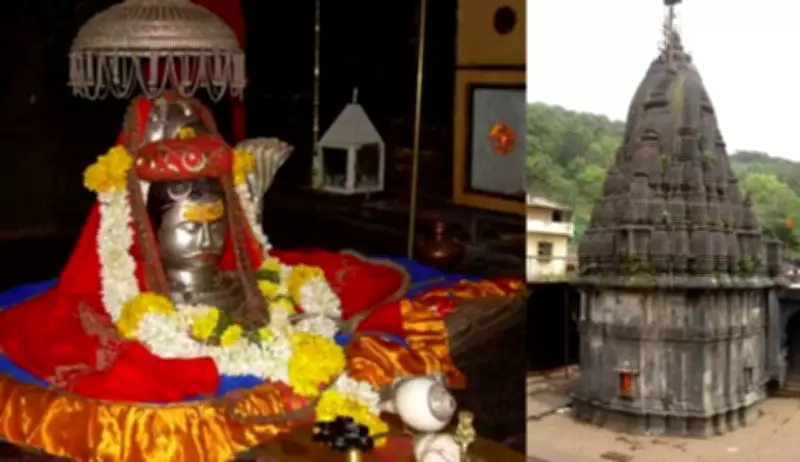
Bhimashankar Temple to Remain Closed on Mahashivratri in 2026
The revered Bhimashankar Temple, one of the twelve sacred Jyotirlingas in India, will not open its doors to devotees on the auspicious occasion of Mahashivratri, which falls on February 8, 2026. This significant decision has been formally announced by the Pune district administration through an official order, marking a notable departure from the temple's usual festive operations.
Official Order and Rationale Behind the Closure
In a move aimed at ensuring public safety and effective crowd management, the district administration has issued a clear directive mandating the closure of the Bhimashankar Temple on Mahashivratri. The order specifically cites concerns over potential overcrowding and the associated risks to devotees' well-being as the primary reasons for this unprecedented step. Authorities have emphasized that the decision was made after careful consideration of past incidents and the need to maintain order during large-scale religious gatherings.
The administration has stated that all necessary arrangements will be made to inform the public well in advance, ensuring that pilgrims are aware of the closure and can plan their visits accordingly. This proactive approach is intended to minimize inconvenience and prevent any confusion among devotees who traditionally flock to the temple on this holy day.

Historical and Religious Significance of Bhimashankar Temple
Located in the Sahyadri range of Maharashtra, the Bhimashankar Temple holds immense religious importance for Hindus, particularly devotees of Lord Shiva. It is not only a Jyotirlinga site but also a key pilgrimage destination that attracts thousands of visitors annually, especially during major festivals like Mahashivratri. The temple's serene surroundings and spiritual ambiance make it a focal point for worship and meditation.
Mahashivratri, which translates to "the great night of Shiva," is celebrated with fervor across India, with devotees observing fasts, performing rituals, and offering prayers to seek blessings. The closure of such a prominent temple on this day is expected to have a significant impact on local religious practices and tourism, prompting discussions among community leaders and stakeholders.
Implications for Devotees and Local Community
The decision to close the Bhimashankar Temple on Mahashivratri is likely to affect a wide range of individuals and groups. Devotees who had planned pilgrimages may need to reschedule their trips, while local businesses that rely on tourist footfall during festivals could experience a temporary downturn. However, the administration has assured that alternative arrangements, such as virtual darshan or nearby prayer facilities, might be considered to accommodate spiritual needs.
Key points from the administration's order include:
- Closure applies specifically to February 8, 2026, with normal operations resuming thereafter.
- Enhanced security measures will be in place to enforce the closure and manage any crowds.
- Public announcements and digital platforms will be used to disseminate information widely.
This move underscores the growing emphasis on safety protocols in religious venues across India, particularly in the wake of incidents involving stampedes and overcrowding. It also reflects a broader trend of administrative interventions in festival management to balance tradition with modern safety standards.
Looking Ahead: Future Festivals and Administrative Measures
While the closure is set for Mahashivratri in 2026, the Pune district administration has indicated that similar measures may be evaluated for other major festivals based on ongoing assessments of crowd dynamics and safety requirements. This could lead to more structured guidelines for temple visits during peak periods, potentially involving advanced booking systems or timed entry slots to regulate visitor flow.
In conclusion, the closure of the Bhimashankar Temple on Mahashivratri represents a cautious yet necessary step by authorities to prioritize public safety. As preparations unfold, devotees and locals alike are encouraged to stay informed through official channels and adapt their plans to ensure a peaceful and secure observance of this sacred occasion.






