Bengaluru Shopkeeper Faces Legal Action for Hoarding LPG Cylinders
In a significant enforcement action, a shopkeeper in Bengaluru has been booked by the police for allegedly hoarding LPG cylinders, a critical essential commodity. The incident, which occurred in the city's bustling urban landscape, underscores ongoing efforts to curb illegal stockpiling practices that can disrupt supply chains and affect consumers.
Details of the Hoarding Case
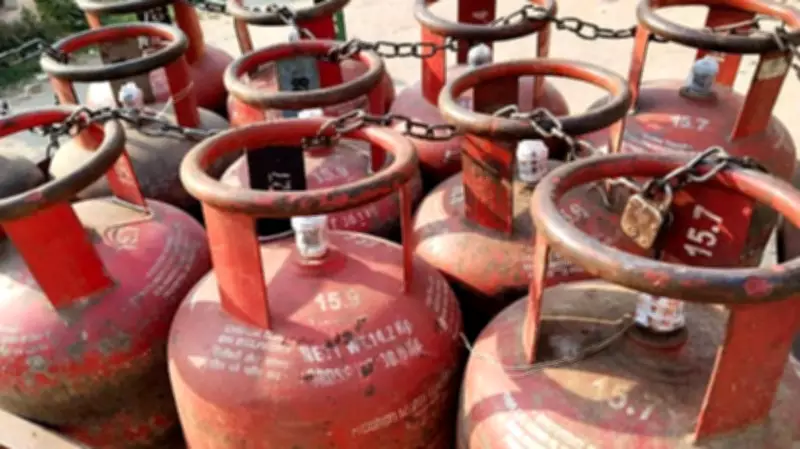
According to police reports, the shopkeeper was found in possession of a substantial stock of LPG cylinders beyond permissible limits. Authorities conducted a raid based on a tip-off, leading to the seizure of approximately 30 cylinders from the premises. The action was taken under relevant legal provisions aimed at preventing hoarding and black-marketing of essential items.
The case has been registered at a local police station in Bengaluru, with investigations ongoing to determine the extent of the hoarding and any potential links to larger networks. Police officials emphasized that such activities violate laws designed to ensure fair distribution and availability of LPG, which is widely used for cooking and other domestic purposes across Karnataka.
Impact on Supply and Consumer Welfare
Hoarding of LPG cylinders can lead to artificial shortages, driving up prices and causing inconvenience to households, especially in urban areas like Bengaluru where demand is high. This incident highlights the challenges in monitoring and regulating the distribution of essential commodities, particularly in densely populated regions where enforcement resources may be stretched thin.
Authorities have warned that strict action will be taken against individuals or entities engaged in similar practices, as part of broader initiatives to maintain market stability and protect consumer interests. The seizure serves as a deterrent, signaling that illegal stockpiling will not be tolerated in the state.
Legal Framework and Enforcement Measures
In Karnataka, hoarding of essential commodities like LPG is prohibited under various laws, including the Essential Commodities Act, which empowers authorities to take preventive and punitive measures. Key aspects of enforcement include:
- Regular inspections and raids on suspected storage facilities to detect illegal stockpiling.
- Collaboration with local authorities and informants to gather intelligence on hoarding activities.
- Legal penalties such as fines and imprisonment for those found guilty, aimed at curbing repeat offenses.
The Bengaluru case is part of a larger crackdown on hoarding across the state, with police and regulatory bodies stepping up vigilance to ensure compliance. Officials have urged the public to report any suspicious activities related to the hoarding of LPG or other essential items, to aid in timely intervention.
Broader Implications for Karnataka
This incident sheds light on the persistent issue of hoarding in India's urban centers, where rapid urbanization and high demand can create vulnerabilities in supply chains. In Karnataka, similar cases have been reported in the past, prompting calls for stronger regulatory mechanisms and public awareness campaigns.
Efforts are underway to enhance monitoring through digital tools and community engagement, aiming to prevent such occurrences and ensure that essential commodities reach consumers without disruption. The booking of the shopkeeper in Bengaluru serves as a reminder of the legal and social responsibilities associated with handling critical resources.
As investigations proceed, authorities are expected to delve deeper into the motives behind the hoarding and any potential accomplices. The outcome of this case could influence future enforcement strategies and policy adjustments in Karnataka, reinforcing the commitment to fair trade practices and consumer protection.