

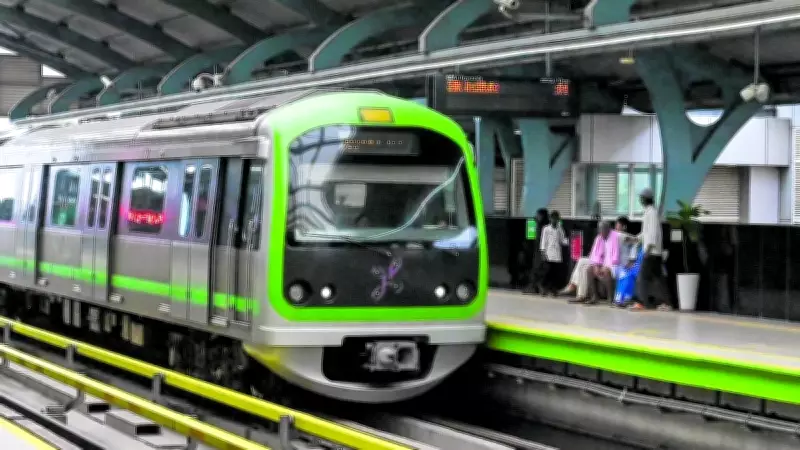
Bengaluru Metro Fare Increase Temporarily Suspended Following Public Feedback
The planned increase in fares for the Bengaluru Metro, commonly known as Namma Metro, has been officially put on hold. This decision comes after extensive public consultations and feedback sessions where commuters and stakeholders expressed significant concerns about the proposed hike.
Public Opposition Leads to Review
Authorities from the Bangalore Metro Rail Corporation Limited (BMRCL) announced the suspension of the fare hike, citing the need to reassess the impact on daily commuters. The proposed increase was part of a periodic revision aimed at covering operational costs, but it faced strong opposition from the public, who argued that it would make metro travel less affordable for many residents.
Key reasons for the hold include:

- Widespread complaints from commuters about the potential financial burden.
- Concerns over reduced ridership if fares become too high.
- The need to balance revenue generation with public service accessibility.
Background and Implications
The fare hike was initially scheduled to take effect soon, following standard procedures for public transport fare adjustments. However, after gathering input from various groups, including student organizations, daily wage workers, and regular metro users, the BMRCL decided to pause the implementation.
This move highlights the growing importance of public participation in urban planning decisions, especially in a city like Bengaluru, which relies heavily on metro services to alleviate traffic congestion. The suspension allows time for further analysis and potential modifications to the fare structure.
Next Steps and Future Considerations
While the fare hike is on hold, authorities have not provided a new timeline for its implementation. They are expected to conduct additional studies and possibly propose alternative solutions, such as:
- Introducing discounted fares for specific groups like students and seniors.
- Exploring non-fare revenue streams to offset costs.
- Enhancing operational efficiency to reduce the need for fare increases.
The decision underscores the challenges faced by metro systems in balancing financial sustainability with public affordability. As Bengaluru continues to expand its metro network, fare policies will remain a critical topic for both policymakers and commuters.






