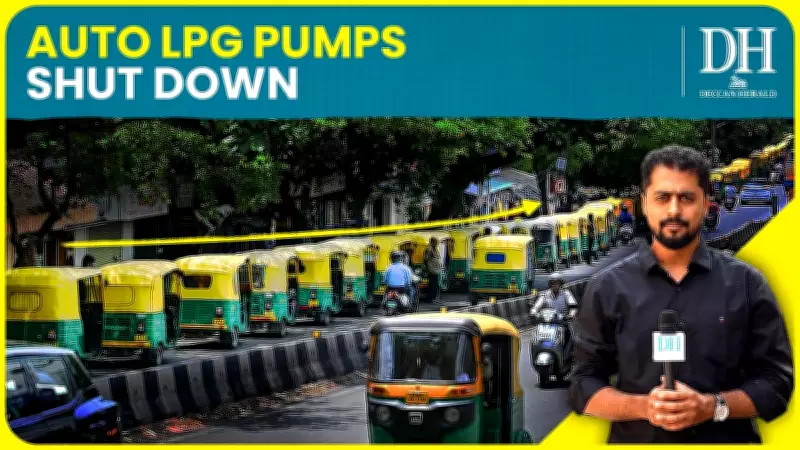
Bengaluru's LPG Shortage Cripples Auto-Rickshaw Drivers as Fuel Pumps Run Dry
A severe liquefied petroleum gas (LPG) shortage has gripped Bengaluru, causing significant distress for auto-rickshaw drivers who rely on this fuel for their daily operations. Reports indicate that numerous fuel pumps across the city have run dry, leading to long queues and operational disruptions that threaten the livelihoods of thousands of drivers.
Impact on Auto-Rickshaw Operations
The crisis has forced many auto-rickshaw drivers to spend hours waiting in lines at the few functional pumps, severely reducing their working hours and income. Drivers have expressed frustration over the situation, noting that the shortage has made it nearly impossible to meet daily passenger demands or earn a sustainable wage. Some have resorted to purchasing LPG at inflated prices from black market sources, further straining their finances.
Causes and Response
Authorities attribute the shortage to supply chain disruptions and logistical issues, though specific details remain unclear. The Karnataka government and local agencies are reportedly working to address the problem, but as of now, no immediate resolution has been announced. This has left drivers and commuters alike in a state of uncertainty, with many calling for urgent intervention to restore normalcy.

Key Points:
- Bengaluru is experiencing a critical LPG shortage affecting auto-rickshaw drivers.
- Fuel pumps across the city have run dry, causing long queues and reduced working hours for drivers.
- Drivers are facing financial strain due to lost income and potential black market purchases.
- Supply chain issues are cited as the cause, with authorities yet to provide a clear solution.
- The crisis highlights broader infrastructure challenges in urban fuel management.
This LPG crisis underscores the vulnerability of essential services in Bengaluru and the need for robust contingency plans to prevent such disruptions in the future. As the situation unfolds, stakeholders are urging for swift action to mitigate the impact on the city's transportation sector.