Bengaluru GBA Ward Reservations Announced with Significant Quota Changes
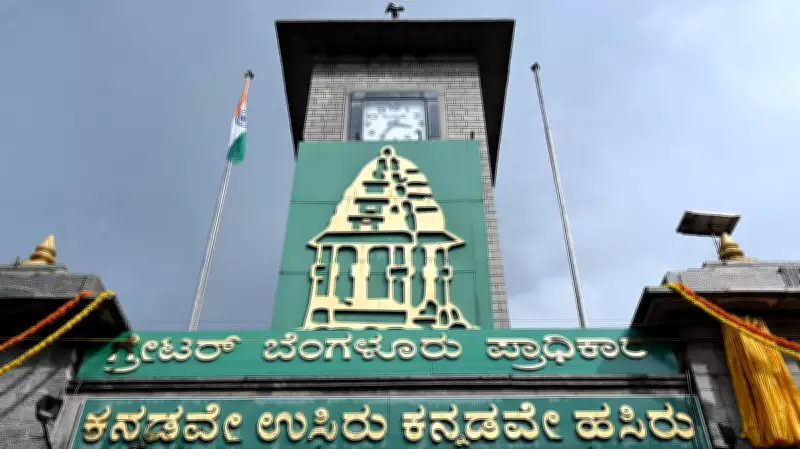
The reservation quotas for 369 wards under the Greater Bengaluru Authority (GBA) have been officially released, marking a pivotal development in the lead-up to the upcoming elections. This announcement has drawn intense scrutiny from political circles, as it directly influences the eligibility and strategies of candidates vying for office.
Major Shifts in Reservation Quotas Across 84 Wards
Out of the total 369 GBA wards, a substantial 84 wards have undergone changes in their reservation quotas. These alterations are not merely administrative adjustments but are poised to reshape the political landscape, potentially determining the success or failure of aspiring candidates. The modifications include shifts in categories such as:
- Reserved for women candidates
- Reserved for Scheduled Castes (SC)
- Reserved for Scheduled Tribes (ST)
- General category allocations
Such changes can force candidates to reassess their constituencies, campaign tactics, and voter outreach efforts, making this a critical juncture in the electoral process.

Impact on Political Futures and Election Dynamics
The release of these reservation details is a game-changer for the political arena in Bengaluru. Candidates who had previously planned to contest from specific wards may now find themselves ineligible or facing stiffer competition due to the quota revisions. This could lead to:
- Last-minute shifts in candidate nominations
- Realignments of political party strategies
- Increased focus on demographic targeting in campaigns
As the elections approach, these quota changes are expected to heighten political tensions and strategic maneuvering among parties and independents alike.
Broader Implications for Bengaluru's Governance
Beyond the immediate electoral implications, the finalization of ward reservations underscores the ongoing efforts to ensure equitable representation in Bengaluru's local governance. The GBA's decision reflects a commitment to addressing social diversity and inclusion, which could influence policy-making and community development in the long term. However, it also raises questions about the transparency and criteria used in determining these quotas, topics likely to be debated in the coming weeks.
With the election date drawing nearer, all eyes are on how political actors will adapt to these new reservation norms, setting the stage for a highly competitive and closely watched poll in Bengaluru.