West Bengal Assembly Witnesses Fiery Clash Over Madrassa Funding Remarks
A contentious statement made by BJP MLA Agnimitra Paul regarding madrassa education and criminality triggered a major political confrontation in the West Bengal legislative assembly on Friday. The remarks, delivered during discussions on the state's vote-on-account budget, sparked immediate backlash from Trinamool Congress legislators and led to a prolonged war of words that disrupted parliamentary proceedings.
Budget Discussion Takes Controversial Turn
While participating in the budget debate, Asansol (South) MLA Agnimitra Paul raised pointed questions about the state government's allocation of Rs 5,713 crore for madrassa education and minority development. "Can they show how many doctors, engineers or bureaucrats, and how many criminals, these madrassas have produced so far?" Paul questioned, linking educational institutions with criminal outcomes in her remarks that would soon ignite a political firestorm.
TMC Ministers Launch Fierce Counterattack
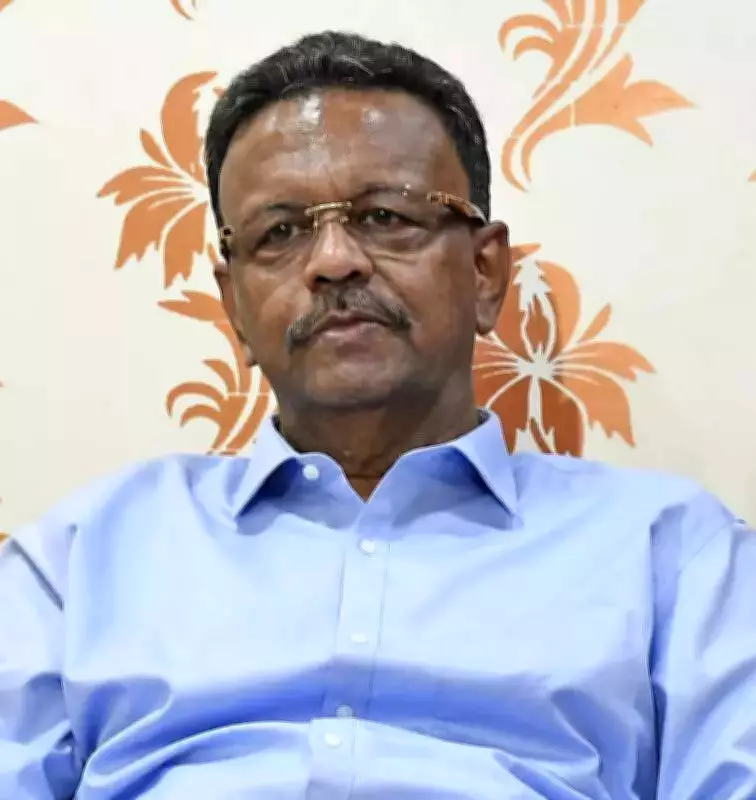
Reacting with immediate outrage, senior TMC minister and Kolkata Mayor Firhad Hakim rose to challenge Paul's assertions. "Do you mean to say that Kazi Nazrul Islam and APJ Abul Kalam were criminals? Is that a statement from a member of a civilised society?" Hakim demanded, invoking the names of celebrated Bengali poet Kazi Nazrul Islam and former President APJ Abdul Kalam to highlight the contributions of the minority community. The minister insisted that Paul offer a formal apology for what he characterized as inflammatory remarks.

Speaker Biman Banerjee promptly intervened in the escalating situation, directing Paul to withdraw her statement and cautioning all members against using language that could hurt community sentiments. "We must remind honourable members who took oath under the Constitution not to make any statement which will hurt the sentiments of the people," Banerjee emphasized, underscoring the assembly's commitment to pluralistic values.
Defiance and Further Accusations
Attempting to defend her position, Paul clarified that she wasn't questioning the overall contributions of minority communities but raised concerns about educational quality and alleged weaponization of madrassa students. "Trinamool had put guns and bombs in the hands of madrassa students while children from the minority community were deprived of quality education," she asserted, further inflaming the already tense atmosphere.
Hakim interrupted again with a forceful rebuttal: "Stop equating every Muslim with criminals. This country is equally ours. That mindset is shameful." The exchange grew increasingly acrimonious as multiple TMC MLAs including Javed Khan, Siddiqullah Chowdhury and Aroop Biswas joined the chorus demanding withdrawal of Paul's statement.
Parliamentary Consequences and Sloganeering
Parliamentary affairs minister Sobhandeb Chattopadhyay escalated the matter by calling for exemplary punishment against Paul for her remarks. Speaker Banerjee announced that the controversial statement would be expunged from official House records, stating: "She shouldn't have made such a comment inside the House. I asked her to withdraw her statement. She didn't withdraw it."
Amid the ongoing TMC protests, opposition leader Suvendu Adhikari began chanting "Hindu-Hindu bhai bhai" (Hindus are brothers), leading to additional heated exchanges between treasury and opposition benches that further disrupted assembly proceedings.
Post-Assembly Justifications
Speaking to reporters outside the assembly, Paul maintained that her comments weren't driven by malice toward minority communities but intended to highlight governance issues. "I have nothing against Muslims. Mr Hakim should explain why jihadis and anti-nationals are being sheltered in many madrassas across the state. It is time for the truth to come out," she stated, standing by the substance of her allegations while denying prejudicial intent.

The incident represents another flashpoint in West Bengal's increasingly polarized political landscape, where educational funding, minority rights, and law-and-order narratives frequently intersect with partisan politics. The assembly's decision to expunge the remarks reflects institutional efforts to maintain decorum while the underlying tensions continue to simmer in one of India's most politically charged states.