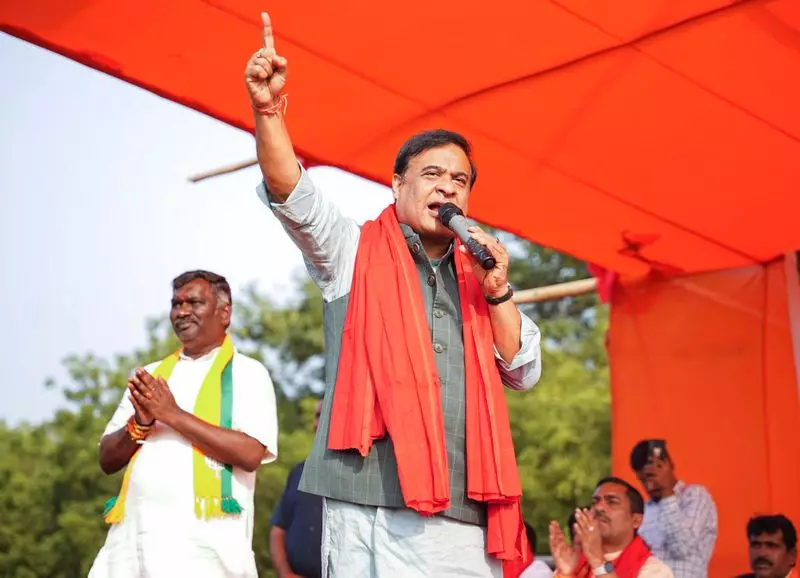
Assam Government Provides One-Time Financial Assistance to Tea Garden Workers
In a significant move ahead of the upcoming assembly elections, the Assam government has rolled out a one-time financial aid package for tea garden workers across the state. This initiative aims to support the livelihoods of those employed in the crucial tea industry, which forms a backbone of Assam's economy.
Details of the Financial Aid Scheme
The government has disbursed an amount of Rs 5000 to each beneficiary under this scheme. According to official reports, approximately 6 lakh (600,000) tea garden workers have received this financial assistance. The aid is intended to provide immediate relief and support to workers and their families, many of whom rely on seasonal or daily wage labor in the tea estates.
This disbursement comes at a critical time, as the state prepares for assembly polls. The timing has sparked discussions among political analysts and observers, who note that such welfare measures are often highlighted during election seasons to garner support from key voter segments.

Impact on the Tea Industry and Workers
The tea industry in Assam is one of the largest employers in the region, with millions depending on it for their sustenance. Workers in tea gardens often face challenges such as low wages, inadequate living conditions, and limited access to social security benefits. The one-time aid of Rs 5000 is seen as a step towards addressing some of these immediate financial needs.
Key aspects of this initiative include:
- Direct financial transfer to workers' accounts or through designated channels.
- Coverage of a vast number of beneficiaries across various tea estates in Assam.
- Focus on providing relief without long-term commitments, as it is a one-time assistance.
Political and Economic Context
Assam's political landscape is closely tied to the welfare of its agricultural and industrial workers, with tea garden communities being a significant voting bloc. The government's decision to provide this aid ahead of the assembly elections underscores the importance of these workers in the state's electoral dynamics.
Economically, this move could have short-term positive effects by boosting local consumption and providing a safety net for workers. However, experts argue that sustainable solutions, such as better wage structures and improved working conditions, are needed for long-term benefits.
In summary, the Assam government's distribution of Rs 5000 to 6 lakh tea garden workers is a notable pre-election welfare measure. While it offers immediate financial relief, it also highlights the ongoing need for comprehensive policies to support the tea industry and its workforce in the state.