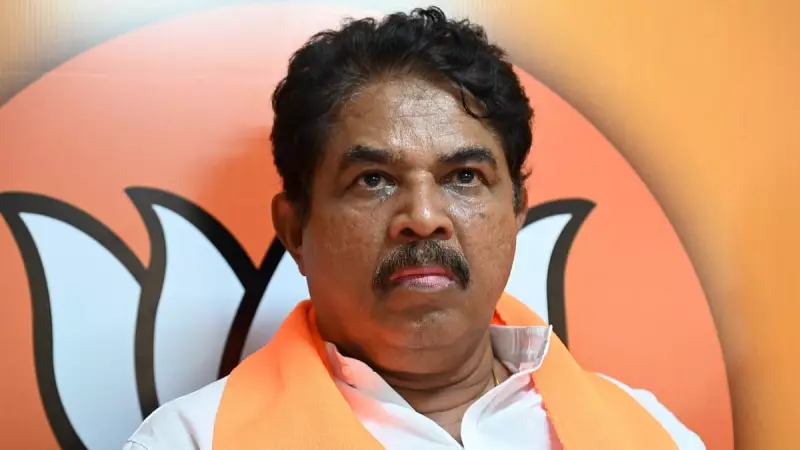
In a sharp political attack, Bharatiya Janata Party (BJP) leader and former minister R. Ashoka has branded Karnataka Chief Minister Siddaramaiah as the 'biggest borrowing Chief Minister' in the state's history. The criticism, delivered on January 7, 2026, directly contrasts Siddaramaiah's achievement of becoming the longest-serving CM with his government's financial management.
A Legacy of Debt vs. Tenure
Ashoka juxtaposed Siddaramaiah's record-breaking tenure with the substantial loans accumulated by the state under his leadership. He argued that while the title of longest-serving CM is a mere statistical fact, the more impactful and lasting title is that of the biggest borrowing CM. "The title of 'longest-serving CM' is merely a statistic. The title of 'Biggest Borrowing CM' is a legacy," Ashoka stated, framing the financial decisions as a defining and negative hallmark of the administration.
The Political and Fiscal Confrontation
The remarks intensify the ongoing political battle in Karnataka, where fiscal responsibility and economic management are key points of contention between the ruling Congress and the opposition BJP. Ashoka's comments are designed to shift the narrative from Siddaramaiah's political longevity to the economic implications of his policies, suggesting that future generations will bear the burden of current debt.
Implications for State Governance
This accusation places the spotlight squarely on the Karnataka government's borrowing practices and fiscal health. It raises critical questions about how the borrowed funds have been utilized and their impact on the state's development trajectory. The BJP's strategy appears to be to paint the Congress administration as fiscally irresponsible, using the chief minister's own milestone against him to question the real cost of his extended time in office.
The political discourse is now set to revolve around balancing administrative achievements with economic stewardship. As the debate unfolds, the focus will likely remain on audit reports, debt-to-GSDP ratios, and the tangible outcomes of government spending financed through these borrowings.