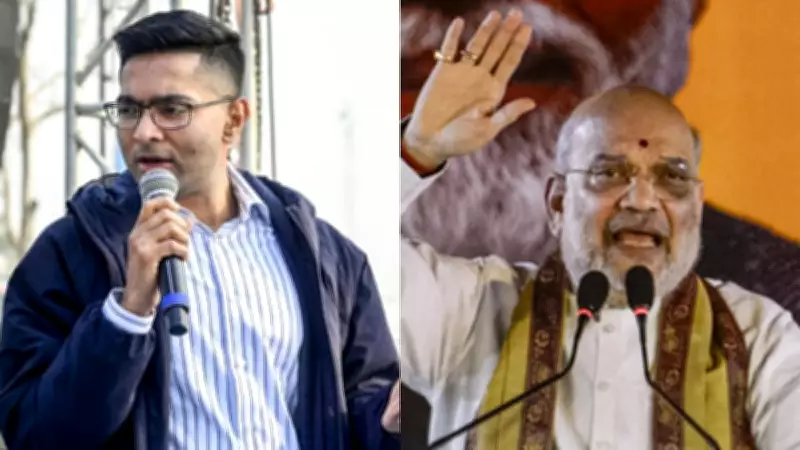
Amit Shah and TMC Engage in Heated Exchange Over Governance in West Bengal
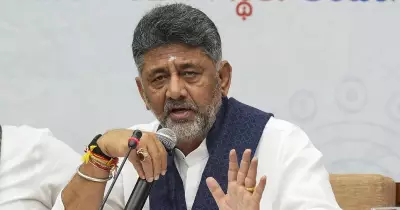
In a sharp escalation of political tensions, Union Home Minister Amit Shah has launched a scathing attack on the Trinamool Congress (TMC) government in West Bengal, branding it as the "most corrupt" administration in the country. This statement comes in direct response to recent remarks made by TMC leader Abhishek Banerjee, who had earlier labeled Shah as the "most unsuccessful" Home Minister of India. The exchange highlights the ongoing bitter rivalry between the Bharatiya Janata Party (BJP) and the TMC in the state, with both sides trading barbs over issues of governance, corruption, and performance.
Shah's Accusations Against the TMC Government
Amit Shah, a senior BJP leader, did not mince words when he criticized the TMC-led government in West Bengal. He alleged that the state has been plagued by widespread corruption under TMC rule, affecting various sectors and hindering development. Shah emphasized that this corruption is not just a minor issue but a systemic problem that has eroded public trust and stalled progress. He pointed to several instances and allegations of financial mismanagement and malpractices that have surfaced during the TMC's tenure, suggesting that these are indicative of a broader pattern of graft.
Furthermore, Shah argued that the TMC government's policies have failed to deliver on key fronts such as infrastructure, healthcare, and education, leading to a decline in the quality of life for residents. He contrasted this with the BJP's vision for West Bengal, promising transparency, efficiency, and growth if the party comes to power in the state. Shah's comments are seen as part of the BJP's strategy to gain ground in West Bengal ahead of future elections, by positioning itself as a credible alternative to the incumbent TMC.

Abhishek Banerjee's Counterattack and Political Context
Prior to Shah's remarks, Abhishek Banerjee, a prominent TMC leader and nephew of Chief Minister Mamata Banerjee, had fired the first salvo by calling Amit Shah the "most unsuccessful" Home Minister. Banerjee criticized Shah's handling of national security, internal conflicts, and other key responsibilities, alleging that his tenure has been marked by failures and controversies. This criticism was likely aimed at deflecting attention from the TMC's own challenges and shifting the narrative to the BJP's perceived shortcomings at the central level.
The political landscape in West Bengal has been highly charged, with the BJP making significant inroads in recent years, challenging the TMC's dominance. This verbal duel between Shah and Banerjee underscores the intense competition between the two parties, as they vie for public support and political leverage. Observers note that such exchanges are common in Indian politics, especially in states where opposition parties are actively contesting the ruling party's authority.
Implications for West Bengal's Governance and Future
The war of words between Amit Shah and Abhishek Banerjee has broader implications for governance in West Bengal. On one hand, Shah's allegations of corruption could resonate with voters who are dissatisfied with the TMC's performance, potentially boosting the BJP's electoral prospects. On the other hand, Banerjee's criticism of Shah might appeal to those who view the BJP as an outsider or are concerned about central interference in state affairs.
As the debate continues, it is essential to consider the factual basis of these claims. While corruption allegations against the TMC have been investigated in some cases, the party has denied any wrongdoing and pointed to its development initiatives. Similarly, the BJP's record at the center is subject to scrutiny, with supporters and critics offering differing perspectives on Shah's effectiveness as Home Minister. Ultimately, this political sparring is likely to influence public opinion and shape the discourse around accountability, transparency, and leadership in West Bengal.

In conclusion, the exchange between Amit Shah and Abhishek Banerjee reflects the deep-seated political animosity in West Bengal, with both sides using strong language to attack each other's credibility. As the state prepares for upcoming political battles, such confrontations are expected to intensify, making governance and corruption key issues in the electoral arena.