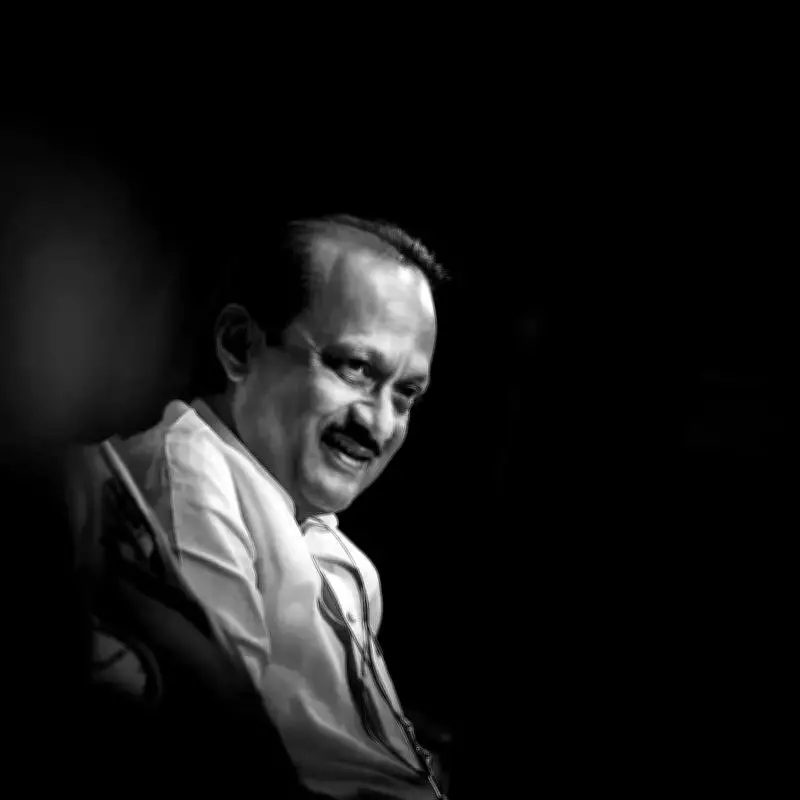
The sudden and tragic passing of Deputy Chief Minister Ajit Pawar has sent shockwaves through Maharashtra's political landscape, creating not just a leadership vacuum within the ruling Mahayuti coalition but also stripping the alliance of what many political observers and insiders described as its most prominent and effective secular face. Pawar's unique political persona, characterized by a careful balance and pragmatic approach, played a crucial role in helping the Mahayuti attract secular votes that have historically been wary of aligning with the saffron bloc.
The Symbolic Distance from Hardline Ideology
Symbolism was a cornerstone of Ajit Pawar's political strategy, and one of his most visible and consistent demonstrations of maintaining ideological distance from hardline positions was his deliberate decision to abstain from visiting the RSS Smruti Mandir in Nagpur during the annual winter sessions of the Maharashtra legislature. While senior BJP leaders and even other alliance partners made it a customary point to pay homage at the memorial of Sangh founder Keshav Baliram Hedgewar, Pawar and his party members conspicuously stayed away. This was not an oversight but a calculated political statement, clearly signaling where he and his faction drew their ideological line within the coalition.
Standing Against Alliance Rhetoric in 2024
This ideological demarcation became starkly visible again during the intense run-up to the 2024 Lok Sabha elections. When BJP's star campaigner and Uttar Pradesh Chief Minister Yogi Adityanath employed the provocative rhetoric of 'batenge toh katenge' (if they divide, they will be cut), it was Ajit Pawar who publicly stood up against his own alliance partners. In a powerful assurance to members of the minority community during a rally in Beed in November 2024, Pawar firmly stated, "We have got your back. Why are you worried? Someone said 'batenge to katenge', it will not work in Maharashtra. You do it in the north, not in Maharashtra. This state belongs to saints. Maharashtra is the land of Shiva followers. A land of Shahu, Phule and Ambedkar. Our blood carries their teachings, owing to which we will move forward in the way shown by them." This bold stance highlighted his role as a moderating force within the coalition.

Defending Minorities During Communal Tensions
Pawar's commitment to secular principles was further tested last year during the controversy surrounding Aurangzeb's tomb, which ultimately escalated into communal riots in Nagpur in March. Hardly ten days after the violent flare-up in Nagpur, Ajit Pawar, speaking at an event at the Islam Gymkhana in Mumbai, took a firm stand in defense of minorities. He declared that he would not allow anyone to harm Muslims, emphasizing, "India's strength lies in its unity in diversity. We should not fall into the trap of divisive forces. We have just celebrated Holi while Gudi Padwa and Eid are coming. I want to assure you that your brother Ajit Pawar is with you." This direct and compassionate address reinforced his image as a protector of communal harmony.
The Future of Secular Politics in Mahayuti
While the Nationalist Congress Party (Ajit Pawar faction) as a political entity is inherently viewed as secular, it was Ajit Pawar himself who never minced words and was consistently vocal about these principles. His personal charisma and unwavering stance provided the Mahayuti alliance with a credible secular image that helped broaden its appeal. Now, with his untimely demise, a pressing question looms large over Maharashtra's political future: Can the party, and by extension the Mahayuti coalition, maintain this crucial image of being an outfit that provides a genuine secular counterbalance? The absence of his assertive voice leaves a significant gap in the political narrative, making the alliance's ability to attract and retain secular voters a major point of uncertainty and speculation in the days to come.