The Unfulfilled Ambition: Ajit Pawar's Political Odyssey in Maharashtra
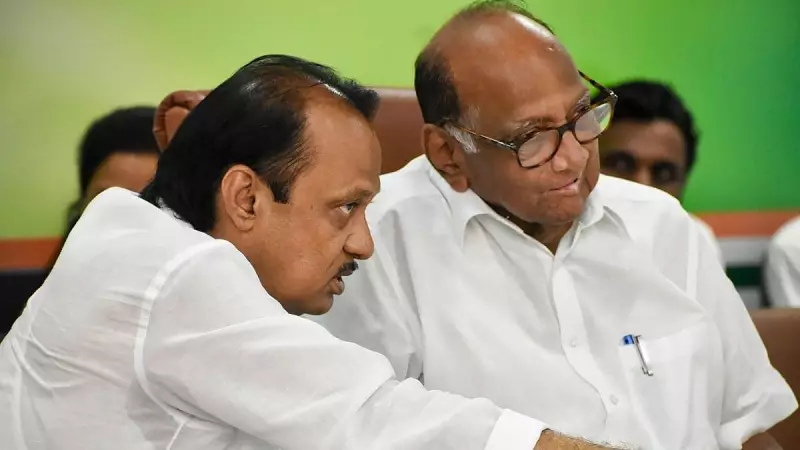
In the intricate tapestry of Maharashtra's political landscape, few figures have been as consistently prominent yet perpetually just shy of the summit as Ajit Pawar. The veteran leader, a stalwart of the Nationalist Congress Party (NCP), has carved out a remarkable career marked by resilience and administrative prowess, but the ultimate prize—the Chief Minister's chair—has repeatedly eluded his grasp.
A Record of Service: Six Terms as Deputy Chief Minister
Ajit Pawar's political journey is distinguished by an unprecedented record of serving as Deputy Chief Minister of Maharashtra on six separate occasions. This feat underscores not only his enduring influence within the state's power corridors but also the trust placed in him by various political alliances and leaderships over the years.
His tenure spans multiple administrations, reflecting a career built on adaptability and strategic positioning. Throughout these six terms, Pawar has been the go-to figure for stabilizing governments and navigating complex coalition dynamics, often acting as a crucial bridge between different factions and parties.

Working Under Four Chief Ministers: A Testament to Versatility
One of the most striking aspects of Ajit Pawar's career is his distinction of having served as deputy to four different Chief Ministers. This unique experience has provided him with a panoramic view of governance from various ideological and administrative perspectives.
- His ability to work effectively under diverse leadership styles speaks volumes about his political acumen and flexibility.
- This exposure has equipped him with unparalleled insights into the challenges and opportunities of running India's second-most populous state.
- It has also positioned him as a repository of institutional memory within Maharashtra's political establishment.
Master of Key Portfolios: Finance, Power, and Water Resources
Beyond his role as Deputy CM, Ajit Pawar has been entrusted with some of the most critical ministries in the state government. His hands-on experience in handling key portfolios has been instrumental in shaping Maharashtra's development trajectory.
- Finance Ministry: As Finance Minister, Pawar oversaw budget allocations, fiscal policies, and economic planning during crucial periods of the state's growth.
- Power Department: His tenure in the Power portfolio involved managing one of India's largest electricity grids and addressing complex issues of generation, distribution, and rural electrification.
- Water Resources: In a state where water management is both a technical challenge and a political flashpoint, Pawar's handling of this portfolio required balancing agricultural needs, urban demands, and environmental concerns.
These responsibilities have not only honed his administrative skills but also deepened his understanding of Maharashtra's core infrastructure and development needs.
The Elusive Chief Minister's Chair: A Political Conundrum
Despite his extensive experience and proven capabilities, the position of Maharashtra Chief Minister has remained just beyond Ajit Pawar's reach. This reality highlights several intriguing aspects of state politics:
- The complex interplay of coalition mathematics that often determines top leadership positions.
- The delicate balance of power within political parties and alliances.
- The unpredictable nature of political fortunes in India's most industrialized state.
Pawar's journey reflects a broader narrative in Indian politics where experienced deputies sometimes find themselves perpetually in supporting roles, despite their qualifications and ambitions.
Legacy and Future Prospects
As of early 2026, Ajit Pawar continues to be a pivotal figure in Maharashtra politics. His story is one of remarkable persistence—a political career built on substantive contributions rather than merely occupying the highest office.

Whether he will eventually break through to become Chief Minister remains one of the intriguing questions in Maharashtra's political future. What is certain is that his six terms as Deputy CM, service under four Chief Ministers, and mastery of crucial portfolios have already secured his place as one of the most significant political operators in the state's recent history.
The narrative of Ajit Pawar serves as a compelling case study in the dynamics of power, patience, and political strategy in one of India's most politically vibrant states.