In a tragic turn of events, Maharashtra's Deputy Chief Minister Ajit Pawar lost his life on Wednesday following a devastating plane crash in Baramati. The aircraft reportedly encountered difficulties during its landing attempt, leading to the fatal accident that claimed the life of one of the state's most prominent political figures.
A Political Legacy Cut Short
Ajit Pawar stood as one of the most influential political leaders in Maharashtra throughout his extensive career. Although he never ascended to the position of chief minister, he achieved a remarkable milestone by holding the deputy chief minister's office for the longest duration in the state's history. His tenure spanned an impressive six terms across various governments, demonstrating his enduring political relevance and administrative capabilities.
Tributes from National Leadership
Prime Minister Narendra Modi expressed profound sorrow over the untimely demise, remembering Ajit Pawar as a "leader of the people" and a "grassroots politician" who maintained deep connections with the masses throughout his political journey. This characterization highlighted Pawar's reputation as a politician who remained accessible and responsive to the concerns of ordinary citizens.

Navigating Political Turbulence
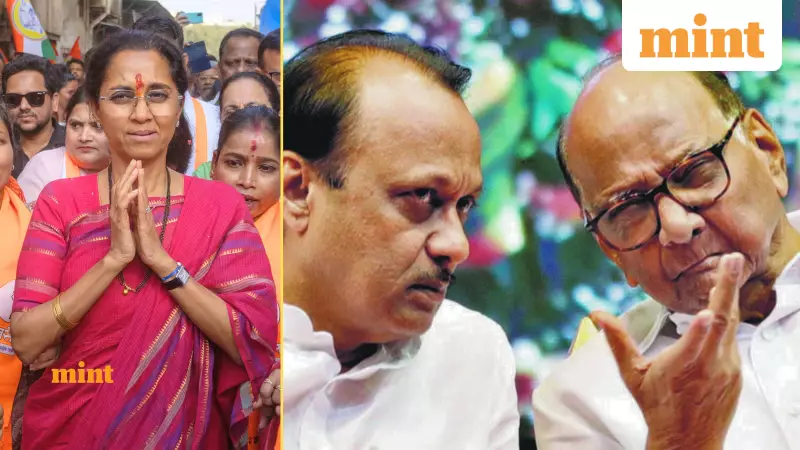
The Nationalist Congress Party experienced significant internal division in recent years, culminating in a major split that reshaped Maharashtra's political landscape. Following this division, the Election Commission officially recognized Ajit Pawar's faction as the legitimate Nationalist Congress Party, awarding them the original party name and symbol. This faction subsequently aligned with the BJP-led Mahayuti alliance, while his uncle, veteran leader Sharad Pawar, assumed leadership of the breakaway group now known as NCP (SCP).
A Career of Strategic Alliances
Ajit Pawar's political career demonstrated remarkable adaptability as he served as deputy chief minister under multiple chief ministers from different political backgrounds. His tenure included collaborations with Prithviraj Chavan, Devendra Fadnavis, Uddhav Thackeray, and Eknath Shinde. This ability to navigate shifting political alliances while preserving his influence in Maharashtra politics became a defining characteristic of his lengthy career.
From Cooperative Roots to Political Heights
The veteran politician embarked on his political journey in 1982 within the cooperative sector, initially securing election to the board of a sugar factory. His rise continued in 1991 when he assumed the chairmanship of the Pune District Central Cooperative Bank, significantly strengthening his control over the region's cooperative movement. That same year marked his entry into national politics with election to the Lok Sabha from Baramati, though he later vacated this seat for his uncle Sharad Pawar.
Electoral Dominance in Baramati
Ajit Pawar established himself as a formidable electoral force in his home constituency, becoming a seven-time MLA from Baramati. His legislative career began with a by-election victory in 1991, followed by consistent retention of the seat in subsequent elections. This electoral dominance cemented his status as the undisputed political representative of the region.
Recent Political Maneuvers
In November 2019, Ajit Pawar engineered a significant split within the NCP to briefly join a BJP-led government, once again assuming the deputy chief minister's position. This move demonstrated his willingness to make bold political decisions to maintain relevance. The culmination of this political realignment occurred in February 2024 when the Election Commission formally recognized his faction as the official Nationalist Congress Party, granting them the party name and symbol.
Personal Life and Legacy
Ajit Pawar was married to Sunetra Pawar and is survived by his two sons, Jay and Parth. His political journey remained intrinsically linked to Baramati throughout his life, from his early days in the cooperative sector to his eventual rise to the highest echelons of state politics. The constituency not only shaped his political identity but also served as the foundation for his enduring influence in Maharashtra's complex political arena.

The sudden and tragic loss of Ajit Pawar creates a significant vacuum in Maharashtra politics, removing a seasoned politician known for his strategic acumen, grassroots connections, and remarkable longevity in one of India's most politically significant states. His ability to maintain relevance across changing political landscapes while serving multiple chief ministers from different parties stands as a testament to his political skills and understanding of Maharashtra's intricate power dynamics.