In a significant development for Tamil Nadu's political landscape, the All India Anna Dravida Munnetra Kazhagam (AIADMK) and the Pattali Makkal Katchi (PMK) have officially joined forces, forming a new alliance. The pact was finalized by the top leaders of both parties, setting the stage for a reshuffle in the state's electoral dynamics.
Leaders Seal the Deal Amid Internal Party Tensions
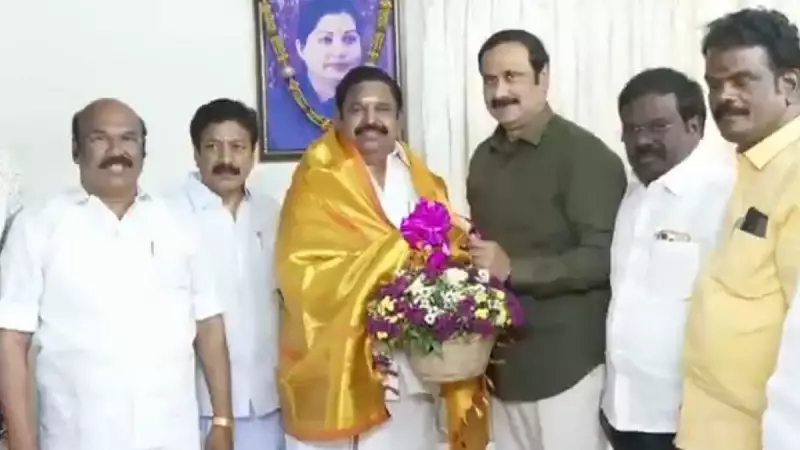
The alliance agreement was clinched in a meeting between AIADMK general secretary Edappadi K Palaniswami and PMK president Anbumani Ramadoss. This development is particularly notable as Anbumani Ramadoss is currently involved in a public disagreement with his father and the party's founder, S Ramadoss. The deal underscores Anbumani's authority in steering the party's current political decisions.
The formal announcement came on 07 January 2026, as reported by ETB Sivapriyan. The timing of this alliance is crucial, as it precedes major electoral contests and indicates a strategic consolidation of non-Dravidian Munnetra Kazhagam (DMK) forces in the state.
Palaniswami's Strategic Delhi Visit
Following the alliance confirmation, AIADMK chief Edappadi K Palaniswami swiftly traveled to the national capital, Delhi. His key agenda there is a high-level meeting with Union Home Minister Amit Shah. This visit is widely interpreted as an effort to coordinate the new political equation with the Bharatiya Janata Party (BJP) at the centre, ensuring a cohesive opposition front against the ruling DMK in Tamil Nadu.
The meeting with Amit Shah is expected to cover the contours of seat-sharing, campaign strategy, and broader national support for the AIADMK-PMK combine. It highlights the continued importance of national alliances in shaping state-level politics.
Implications for Tamil Nadu's Political Future
The coming together of AIADMK and PMK is a major realignment. The PMK, with its strong base among the Vanniyar community, and the AIADMK, with its broader Dravidian appeal, aim to create a formidable social coalition. This move is a direct challenge to the DMK-led front and could significantly alter vote share calculations in upcoming elections.
However, the internal rift within the PMK's founding family adds a layer of complexity to this partnership. How the party manages this internal dynamic while projecting a united face to the electorate will be a key factor in the alliance's success.
Political analysts suggest this alliance marks a pivotal moment for the AIADMK's revival strategy under Palaniswami's undisputed leadership. The outcome of his discussions in Delhi will also clarify the BJP's role and stance in Tamil Nadu's evolving political theatre.