Suvendu Adhikari Accuses JUP Chief of Sourcing Mosque Funds from Bangladesh
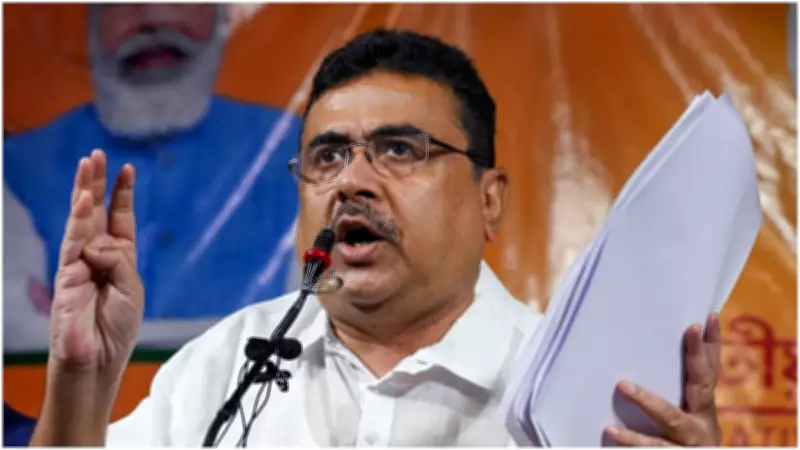
In a significant political development, BJP leader Suvendu Adhikari has made a startling allegation regarding the funding for a mosque modeled after the Babri Masjid. Adhikari claimed that 50% of the financial support for this project originates from Bangladesh, directly targeting Humayun Kabir, the chief of the Jamiat Ulema-e-Pakistan (JUP).
Details of the Allegations
Adhikari asserted that Humayun Kabir traveled to Bangladesh on September 28 last year for a week-long visit specifically to arrange these funds. This accusation adds a new dimension to the ongoing political discourse in West Bengal, where religious and international funding issues are often contentious topics.
The BJP leader's statement implies potential foreign involvement in domestic religious projects, which could have implications for national security and political narratives. Adhikari did not provide immediate evidence to substantiate his claims, but the allegations have sparked discussions across political circles.

Political Context and Reactions
This incident occurs against the backdrop of heightened political tensions in West Bengal, where the BJP and other parties frequently clash over religious and funding matters. The reference to the Babri Masjid model is particularly sensitive, given the historical and legal controversies surrounding the original structure in Ayodhya.
Adhikari's targeting of Humayun Kabir suggests a strategic move to question the legitimacy and sources of funding for religious institutions, potentially aiming to influence public opinion ahead of future elections. The JUP has not yet issued an official response to these allegations, leaving room for further developments.
Implications and Future Outlook
If proven, such foreign funding could raise legal and ethical concerns under Indian regulations governing charitable and religious contributions. Experts note that this could lead to investigations by authorities to verify the claims and ensure compliance with national laws.
The situation underscores the complex interplay between politics, religion, and international relations in India. As more details emerge, this story is likely to remain in the spotlight, affecting political strategies and public discourse in West Bengal and beyond.