Varkala Temple Councillor Forms Action Council to Revive Stalled Tourism Project
In a significant development in Thiruvananthapuram, Varkala temple ward councillor R Anilkumar, along with several other local representatives, on Monday formed an action council to defend the controversial Swadeshi Darshan 2.0: Varkala Dakshin Kashi tourism development project. This initiative comes at a critical juncture as the ambitious Rs 25-crore project remains stalled following a stay order issued by the high court.
Background of the High Court Intervention
The formation of the council emerges against the backdrop of an interim stay imposed by the high court in late January. This legal halt was triggered by a public interest litigation (PIL) that raised serious allegations regarding the project's implementation. The petition highlighted multiple concerns including:
- Procedural lapses in project execution
- Potential misuse of public funds
- Threats to public safety in the Varkala cliff area
- Environmental risks to the fragile ecology
Councillor's Perspective on the Project
Councillor Anilkumar expressed strong views about the project's current predicament, stating that it has been unfairly targeted through widespread misinformation campaigns. "Certain sections are deliberately projecting the project as technically flawed and legally untenable," he asserted during the council formation announcement.

The councillor elaborated on the council's objectives, emphasizing their commitment to transparent communication and constructive engagement. "The council was formed to place facts before the public and to engage constructively with government agencies and stakeholders," he explained, adding that the council would work diligently to safeguard development initiatives while respecting public sentiment and concerns.
Project Details and Timeline Pressure
Anilkumar revealed that the Central government has issued an ultimatum to complete the project works before March 31 this year, creating additional urgency for the project's revival. He highlighted the current inadequacies at the temple site, noting that "the temple has no amenities" despite its historical significance.
The councillor further disclosed plans to establish an information center to attract more tourists, emphasizing that the Janardhana Swamy Temple boasts over 1,000 years of history. The broader project aims to enhance pilgrim and tourism infrastructure around this ancient religious site, potentially transforming Varkala's tourism landscape.
Environmental and Heritage Concerns
Despite these development aspirations, the project has triggered substantial opposition from environmentalists and heritage conservation groups. Critics allege that construction activities were initiated without obtaining mandatory statutory clearances from multiple authorities including:
- Municipal authorities
- Coastal regulation bodies
- Environmental agencies
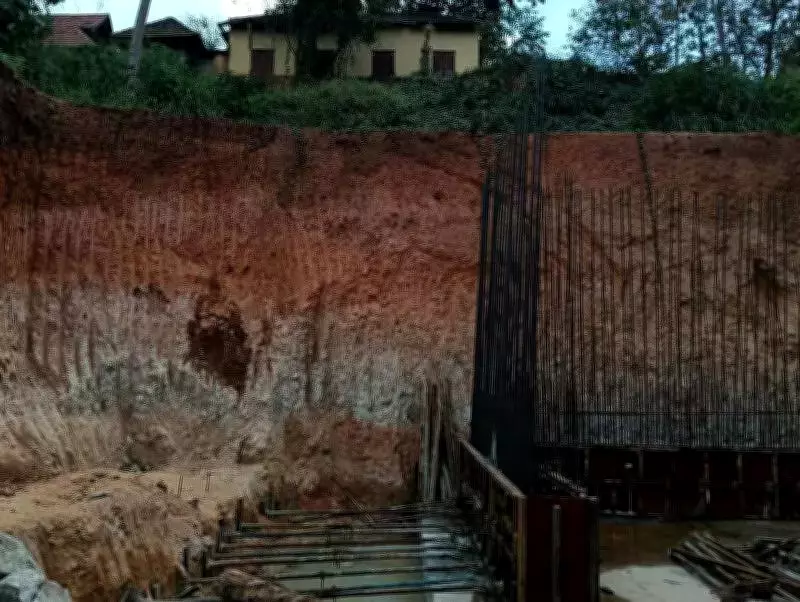
Green organizations have issued warnings about the potential consequences of unscientific construction and cliff cutting in the area. They emphasize that these activities pose serious threats to multiple aspects of Varkala's natural and cultural heritage:
- The 2,000-year-old Janardhana Swamy Temple
- The fragile laterite cliffs that define Varkala's landscape
- The surrounding ecosystem that supports local biodiversity
Environmentalist's Strong Criticism
Environmentalist Sanjeev S J, who filed the original petition in the high court, strongly criticized both the project and the formation of the action council. He clarified that opposition to the project stems from genuine environmental and cultural preservation concerns rather than anti-development sentiment.
"This is not about opposing development, but about protecting an ecologically and culturally sensitive area," Sanjeev stated. "The project was taken forward without basic legal clearances, and any attempt to justify this in the name of faith or tourism is deeply concerning."

Community Divisions and Council's Response
Critics have further accused the action council of deepening divisions within the local community and downplaying legitimate environmental and legal concerns. They argue that the council's formation might polarize opinions rather than foster constructive dialogue about sustainable development.
Council members, however, maintain a different perspective on their mission. They emphasize that their primary aim is to ensure that the project's intended benefits are not derailed due to what they describe as procedural misunderstandings rather than substantive flaws in planning. These benefits include:
- Improved facilities for pilgrims and tourists
- Enhanced local economic growth opportunities
- Better infrastructure around the historic temple site
The council asserts that they are committed to addressing concerns through proper channels while ensuring that development initiatives proceed in a manner that balances progress with preservation.