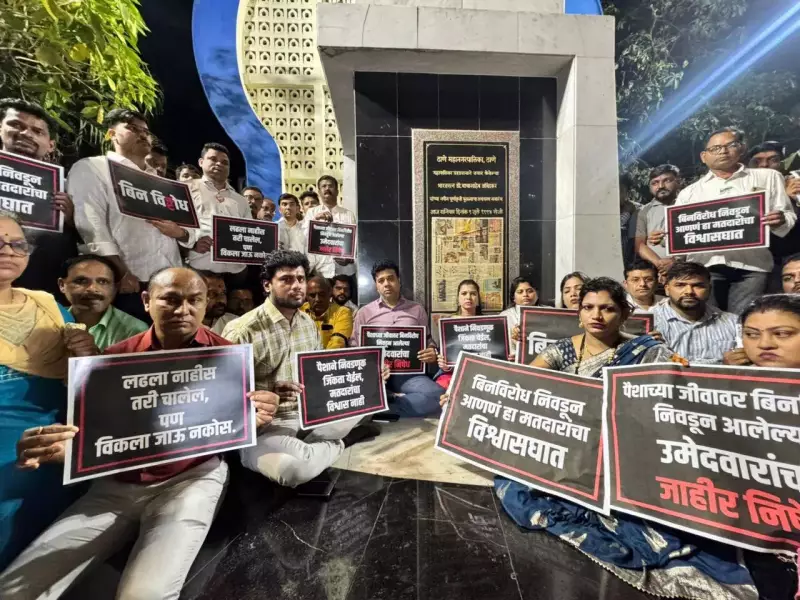
Unprecedented Situation in Maharashtra Civic Elections
Maharashtra's civic elections are witnessing a remarkable and concerning trend this year. For the first time in recent memory, the focus has shifted dramatically away from typical election issues like campaign rhetoric or voting-day irregularities. Instead, a new phenomenon is dominating the political landscape.
Critics are pointing to what they describe as the systematic disappearance of electoral contests themselves. This development has created an unusual situation where democratic competition seems to be diminishing at the local level.
The Numbers Tell the Story
Specifically, 68 seats across various municipal corporations and councils will be decided without any voting whatsoever. These seats have been declared uncontested, meaning only one candidate filed nomination papers for each position.

When a seat becomes uncontested, the election process essentially bypasses the voting stage. The single candidate automatically wins the position without needing to face any electoral challenge from opponents.
What This Means for Democracy
This situation raises significant questions about the health of local democracy in Maharashtra. Electoral contests serve multiple important purposes in a democratic system:
- They provide voters with choices between different candidates and policies
- They create accountability for elected representatives
- They encourage political participation at the grassroots level
- They allow for the expression of diverse community interests
When seats go uncontested, all these democratic functions are compromised. Voters lose their right to choose their representatives through the ballot box.
Possible Reasons Behind This Trend
Several factors might be contributing to this unusual situation:
- Political consolidation where dominant parties secure seats through pre-election arrangements
- Intimidation tactics that discourage potential candidates from filing nominations
- Resource constraints that make it difficult for independent candidates to compete
- Strategic withdrawals as part of larger political calculations
The concentration of uncontested seats in specific regions or municipalities might provide clues about local political dynamics at play.
Historical Context and Significance
While uncontested seats occasionally appear in Indian elections, the scale of 68 seats across Maharashtra's civic polls represents an unprecedented development. Local body elections typically feature intense competition, as these positions directly impact community services and development.
Civic elections determine who controls municipal corporations, councils, and nagar panchayats. These bodies manage essential services including water supply, sanitation, roads, and local infrastructure. The absence of electoral competition for so many seats therefore has practical implications for governance quality.
Political observers are watching this development closely. They note that when elections become mere formalities rather than genuine contests, the democratic process loses its vitality. The trend could potentially spread to other regions if not addressed through electoral reforms or increased political participation efforts.
This situation serves as a reminder that democracy requires active participation from both candidates and voters. When either side disengages, the entire system suffers. The 68 uncontested seats in Maharashtra's civic polls represent not just administrative outcomes, but a concerning signal about the state of local democracy.