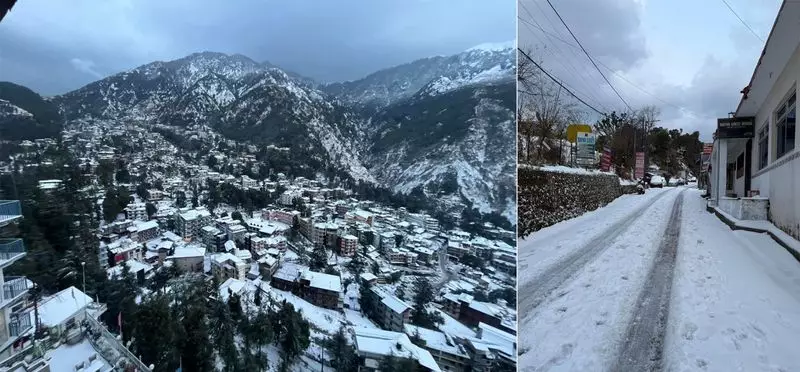
In a significant development impacting daily life and mobility, authorities have suspended a total of 58 bus routes in the Kangra district of Himachal Pradesh. This decisive action comes as heavy snowfall has blanketed the popular hill station of McLeodganj, creating hazardous conditions for road travel and necessitating immediate safety measures.
Widespread Transportation Disruption Across Kangra
The suspension of these bus routes has caused considerable inconvenience to residents and travelers alike, effectively cutting off connectivity to numerous villages and towns within the district. Local transportation officials have confirmed that the decision was made to prevent accidents and ensure the safety of passengers, as the snow-covered roads have become treacherous and difficult to navigate.
McLeodganj Blanketed in Snow
McLeodganj, a renowned tourist destination and the home of the Tibetan government-in-exile, has experienced intense snowfall over the past few hours. The picturesque town is now covered in a thick layer of snow, transforming the landscape but also posing serious challenges for infrastructure and daily activities. Meteorological reports indicate that the snowfall is part of a broader winter weather pattern affecting the region.

Impact on Local Communities and Tourism
The suspension of bus services is expected to have a ripple effect on the local economy, particularly impacting tourism and the movement of goods. Many tourists visiting McLeodganj and surrounding areas may face delays or cancellations in their travel plans. Additionally, residents relying on public transport for commuting to work, schools, or accessing essential services are likely to experience significant disruptions.
Authorities are closely monitoring the situation and have advised people to avoid unnecessary travel until conditions improve. Efforts are underway to clear the snow from major roads and restore normalcy as soon as possible. The local administration has also set up emergency response teams to assist stranded travelers and address any urgent needs arising from the weather-induced disruptions.
This incident highlights the vulnerability of mountainous regions to extreme weather events and underscores the importance of robust disaster management strategies. As climate patterns continue to evolve, such occurrences may become more frequent, necessitating enhanced preparedness and adaptive measures from both government agencies and local communities.