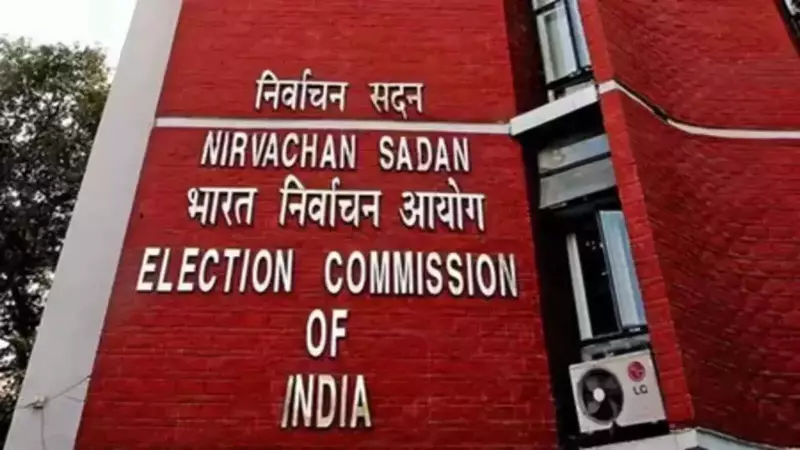
In a significant demographic trend, approximately 30,000 residents of Goa have relinquished their Indian citizenship over the past ten years to obtain passports from foreign nations, with a large number opting for Portuguese nationality. This move has now triggered electoral scrutiny for their parents, whose registrations are being examined by the Election Commission.
Electoral Commission Scrutinises Family Links
The Election Commission (EC) is actively verifying the status of individuals whose children have acquired foreign citizenship. The focus is on parents who were born before Goa's liberation on December 19, 1961, and who registered their own births and marriages in Portugal. This registration was a necessary step for their children, born after 1961, to claim Portuguese nationality and secure a Portuguese passport.
Sanjay Goel, the Chief Electoral Officer, informed the Times of India that the process involves cross-checking data. "We will verify all those who acquired Portuguese and other foreign passports, and whose names still feature on electoral rolls," Goel stated. He added that for cases where individuals registered their birth in Portugal but did not obtain a passport, the law department's advice would be sought before a final decision is made.
Data Reveals Scale of the Trend
Official figures submitted to the EC for scrutiny under the Suo Motu Information (SIR) process reveal that 29,831 Goans have surrendered their Indian passports since 2014. More recent data from the last five years alone highlights over 8,000 such cases, as confirmed by Nijo Varghese, the head of the Regional Passport Office in Goa.
The allure of a Portuguese passport or identity card has been strong among various sections of Goan society, including politicians, police personnel, and bureaucrats. These documents are often viewed as a gateway to work and live in European Union countries.
Political Response and Future Action
This issue has been on the political radar for years. Back in 2014, Pramod Sawant, who is now the Chief Minister of Goa, appealed to the Union government for an amnesty scheme. The aim was to allow Goans to cancel their Portuguese identity cards while retaining Indian citizenship. Sawant remarked that the primary intention for many was to secure future opportunities for their children.
The EC's current course of action is clear. Individuals identified during the verification process will be issued suo motu notices. Chief Electoral Officer Sanjay Goel clarified that if such persons did not fill in enumeration forms and their names are absent from the draft electoral rolls published on December 16, they would not receive a notice. The ongoing exercise underscores the complex interplay between diaspora aspirations, citizenship laws, and electoral integrity in Goa.