For most of us, bread is an inseparable part of our daily diet, a staple that has been enjoyed for ages. But do you know how this delight came into existence? Here is all you need to know about the discovery of bread and its origin.
The Discovery of Our Favorite Staple
For years, it was believed that the origin of bread was tied to agriculture and was a simple byproduct of grains such as wheat and barley. However, an archaeological discovery completely flipped that age-old narrative, proving that our love affair with carbs actually predates farming itself. So much so that even before the first Pharaoh ruled Egypt, and thousands of years before anyone built a single mud brick in Mesopotamia, humans were already enjoying a fresh loaf of bread.
The Ancient Fireplace of Jordan
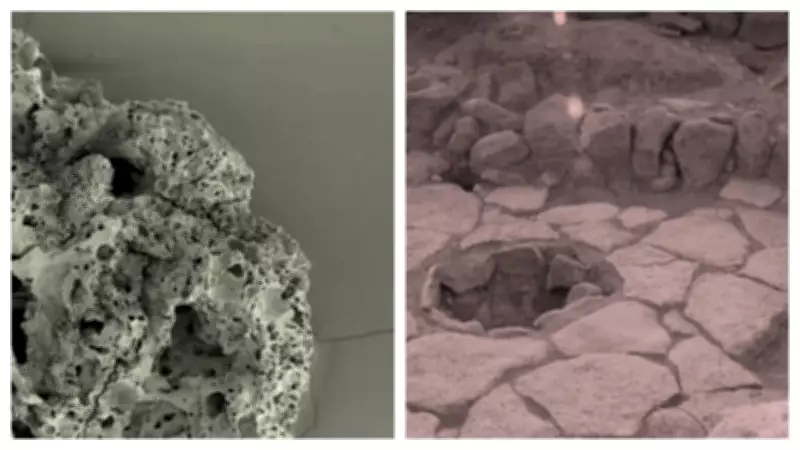
The story of the world's oldest bread begins in the Black Desert of northeastern Jordan. At an archaeological site known as Shubayqa 1, researchers uncovered a small, stone-walled fireplace used by the Natufians—a society of hunter-gatherers who lived in the region roughly 14,400 years ago. While excavating the charred remains of ancient meals, scientists did not just find animal bones; they stumbled upon tiny, blackened, porous crumbs that looked suspiciously like the forgotten pieces at the bottom of a modern toaster.

Tracing the History Amidst the Charred Remains
The researchers sought to determine exactly what these charred remains were. Using high-magnification electron microscopes to inspect the internal structure of the crumbs, they made a startling discovery. The microscopic air bubbles trapped inside the charcoal matched the exact texture of baked dough. This was conclusive proof that these ancient hunter-gatherers were baking bread more than 4,000 years before agriculture took root in the region.
Wild Grains and Swamp Roots
This prehistoric loaf did not come from a grocery shelf or a sack of processed flour. The Natufians had to work incredibly hard for their supper, foraging for wild ancestors of modern grains like einkorn wheat, barley, and oats. They also harvested the roots of wild club rushes—a type of aquatic plant growing in the nearby wetlands. These roots provided a starchy filler that helped bulk up the flour mix, giving the bread a unique, earthy flavor profile.
Sweat, Stone, and Ash
Making this old bread was extremely labor-intensive and involved many steps. First, the gatherers had to remove the outer covering of the grains by hand, which was much harder than processing modern cultivated grains. Next, they used heavy stones and tools to crush the grains and roots into a fine powder. This powder was mixed with water to form a dough, which was then placed directly on hot ashes of a fire or on flat stones that were already heated for cooking.
What Did It Taste Like?
If you were to take a bite of the world's first bread, you would not find a fluffy, soft sandwich loaf. Because there was no yeast or leavening agent involved, it was a flatbread, very similar in appearance and texture to a rustic pita, tortilla, or Indian chapati. The flavor would have been quite nutty, slightly gritty from the stone grinding, and heavily charred from being cooked right in the embers of an open fire.
Bread Spurred the Agricultural Revolution
The discovery at Shubayqa 1 completely changes how we view human civilization. For decades, the consensus was that humans started farming, ended up with a surplus of grain, and then invented bread to use it up. This new evidence suggests the exact opposite. People had to work hard to gather and process wild grains, making bread a special treat probably reserved for occasions. All for the love of bread, our ancestors must have really loved its taste. They loved it so much that they wanted to ensure a steady supply, so they began cultivating crops like wheat. Bread was something people looked forward to, and our ancestors wanted to make it easier to obtain, not just on special days. In a very literal way, the desire for a reliable sandwich drove us to build modern society.
Image courtesy: Image taken from Independent UK
Get the latest lifestyle news and trends. Download the TOI App.