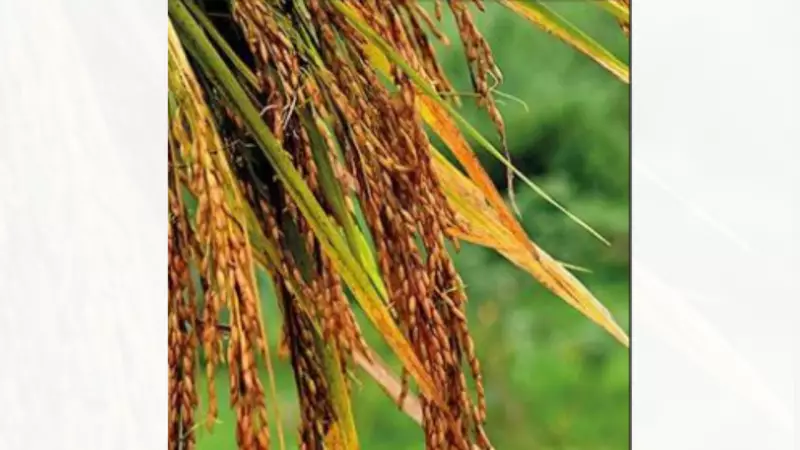
Authorities in Uttarakhand have announced a sweeping prohibition on summer paddy cultivation across Udham Singh Nagar district. This groundbreaking restriction will remain in force from February 1 through April 30, marking the region's first explicit groundwater-linked farming ban.
Direct Impact on Farmers and Production
The ban will directly affect approximately 15,000 farmers in what is often called Uttarakhand's 'food bowl'. District Magistrate Nitin Singh Bhadauria confirmed that the prohibition covers all aspects of summer paddy farming including nursery preparation, sowing, and transplantation activities.
Officials estimate nearly Rs 150 crore worth of agricultural produce stands at risk under this new regulation. Summer paddy typically occupies around 22,000 hectares of land in the district, with most farmers working small holdings of just one to two hectares each.

No Relaxation This Year
District Magistrate Bhadauria made it clear that no exceptions would be granted this year, unlike in 2024 when a similar ban was briefly imposed but later relaxed following negotiations with farming communities.
The administration plans to extend these restrictions across the broader Terai region, potentially including parts of Nainital and Haridwar districts in the coming seasons.
Groundwater Crisis Drives Decision
The ban comes as a response to alarming groundwater depletion in the region. Over the past ten years, water tables in Udham Singh Nagar have reportedly dropped by nearly 70 feet. Several blocks including Jaspur and Kashipur have already been classified as critical zones for groundwater availability.
"This decision follows extensive consultations with agricultural scientists and farmer representatives," explained District Magistrate Bhadauria. "Our primary concern is ensuring long-term water security for the region, and we earnestly request farmers' cooperation in this crucial matter."
Rice Farming Identified as Major Contributor
Officials have identified rice cultivation as the single largest factor behind indiscriminate groundwater extraction in Udham Singh Nagar. The summer paddy crop, in particular, places tremendous pressure on already strained water resources during the driest months of the year.
Regional Context and Comparisons
While no other district in Uttarakhand currently maintains an identical, explicit ban on summer paddy cultivation, other states have implemented similar measures. Haryana enforces a statutory prohibition on early paddy sowing under specific subsoil water legislation. Meanwhile, Punjab follows calendar-based restrictions that regulate planting timelines.
The Udham Singh Nagar initiative represents Uttarakhand's most decisive step yet toward addressing agricultural water management challenges. With household incomes likely to be affected across thousands of farming families, the implementation and farmer response will be closely monitored in the coming months.