India's nuclear energy sector is poised for a significant transformation with the adoption of the Sustainable Harnessing of Nuclear Energy for Transforming India (Shanti) Act of 2025. This landmark legislation, which replaces the Atomic Energy Act of 1962 and the Civil Liability for Nuclear Damage Act of 2010, aims to align the country's legal framework with global standards and remove long-standing roadblocks that have stifled growth.
Clearing the Liability Hurdle and Opening the Field
The 2010 liability law, which exposed reactor suppliers to statutory damage claims, acted as a major deterrent for international vendors. The new Shanti Act effectively axes this obstacle by capping an operator's liability at 300 million Special Drawing Rights (SDR), in line with the Vienna Convention on Civil Liability for Nuclear Damage. While plant operators can still negotiate liability clauses with suppliers via contracts, this clear cap provides the certainty needed to attract investment and technology.
Furthermore, the act opens the door for private sector participation in nuclear power generation, a move expected to accelerate project development and bring in much-needed capital and efficiency. This comes after the promise of the 2008 Indo-US nuclear deal, which freed India from a technology-denial regime and allowed global sourcing of fuel and components, failed to translate into a substantial increase in nuclear power capacity.

Aligning with Global Norms and Ensuring Safety
By adopting the Vienna Convention's liability cap, India is now positioned to formally join this international pact. The country is already a member of the Convention on Supplementary Compensation, which mandates a collective fund from all signatories to cover payouts exceeding 300 million SDR in case of a major disaster.
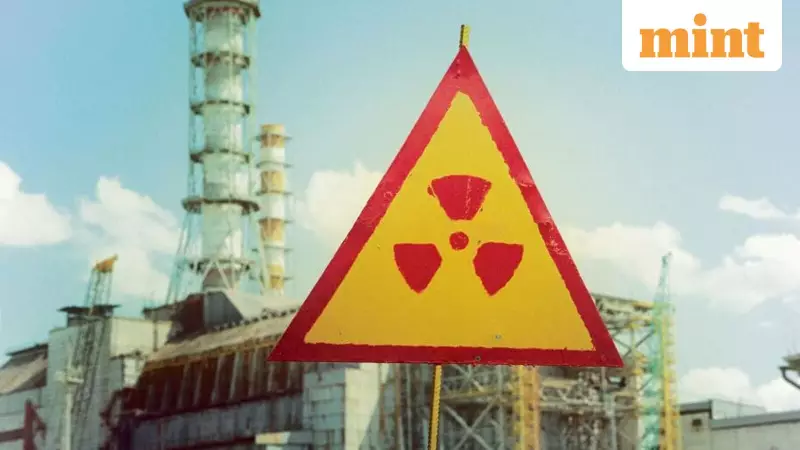
Safety concerns, often cited by critics, are addressed through advancements in reactor design and materials technology since the incidents at Three Mile Island, Chernobyl, and Fukushima. The Atomic Energy Regulatory Board (AERB), now on a statutory footing, will exercise scrutiny and control. Modern digital systems enabling real-time safety dashboards add another layer of security. Experts emphasize the need to fortify the regulator's independence with accountability to Parliament and competitive pay scales to prevent regulatory capture.
The Imperative of Self-Reliance and the Thorium Promise
While the Shanti Act facilitates the import of reactors and fuel—a process recently eased by the US—it underscores the critical need to not abandon India's quest for energy self-reliance. The focus remains on the indigenous fast-breeder reactor program, which utilizes the country's vast reserves of thorium.
However, the project's transition from a pilot to a commercial stage has been slow. To hedge its bets and minimize long-term import dependency, India must significantly step up funding and R&D to overcome persistent technical challenges. The early strides made in nuclear technology must be powered up and kept at the forefront of the national energy agenda.
The Shanti Act represents a pragmatic reboot for nuclear power, integrating India into the global supply chain while creating a conducive environment for private investment. Its ultimate success, however, will depend on a balanced strategy that couples this new openness with a relentless drive for indigenous technological mastery.