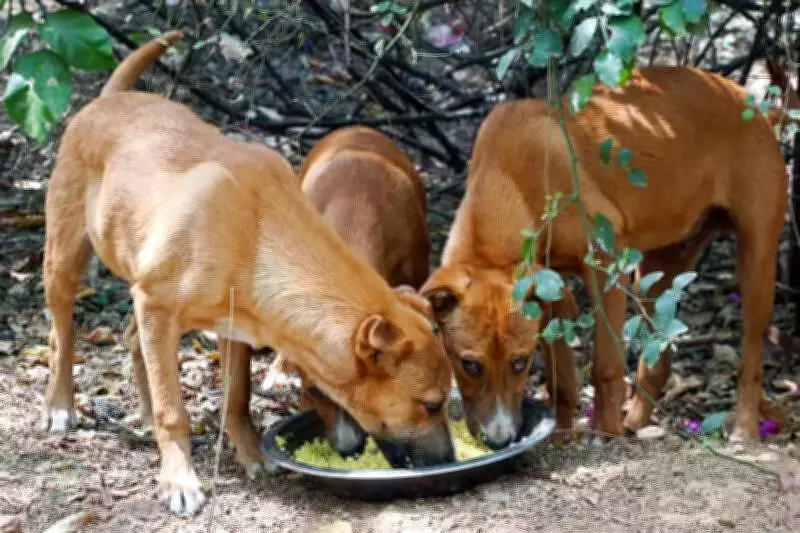
Pune Municipal Corporation Establishes 88 Official Feeding Locations for Stray Dogs
The Pune Municipal Corporation (PMC) has officially designated 88 specific locations across the city for feeding stray dogs, marking a significant step in urban animal management. This initiative follows the 2025 directives issued by the Supreme Court of India, which mandated the creation of dedicated feeding zones for community animals.
Collaborative Identification Process with Animal Lovers
Civic officials revealed that the identification of these feeding spots was conducted with active assistance from animal lovers and concerned citizens. Last year, the PMC issued a public appeal inviting suggestions for suitable locations, receiving approximately 25 responses per month through various channels including social media, email, and in-person submissions.
Sarika Funde, head of the PMC veterinary department, explained the meticulous approval process: "We are receiving many responses regarding these spots. A dedicated PMC team visits each suggested location to thoroughly assess its feasibility before granting official approval." She emphasized that clear instructions have been issued to maintain proper cleanliness standards at all designated feeding areas.

Mixed Reactions from Citizens and Animal Activists
The PMC's initiative has generated diverse reactions within the community. Some residents have welcomed the move as a positive step toward organized animal welfare.
Sonali Kulkarni, a resident of Kothrud, expressed support: "The designated spots are beneficial for better management of feeding services for animals. These locations could potentially accommodate temporary water tanks to provide hydration alongside food."
However, several animal activists have raised concerns about implementation inconsistencies and practical limitations. Nisha Monteiro, a senior animal activist and feeder from NIBM Road, highlighted several challenges: "I have not applied for a designated feeding point because the Supreme Court has clarified that such spots cannot be established along roadsides. Community animals naturally inhabit streets near housing complexes or commercial areas."
Monteiro further explained the practical realities faced by long-term feeders: "Many of us have been responsibly feeding community animals for years without formal feeding zones. Some feeders choose quiet corners with minimal foot traffic to avoid conflicts, especially when housing societies refuse to permit feeding within their premises. Busy commercial areas often attract unwanted attention and create additional problems."
Implementation Challenges and Housing Society Participation
The PMC has faced challenges in implementing comprehensive feeding spot coverage. Monteiro noted that several individuals who applied for official feeding spaces are still awaiting responses from civic authorities. She shared a specific example: "One person who feeds community dogs at 4 AM applied for an official feeding spot but was informed by civic staff that since she operates during minimal foot traffic hours, she could continue without establishing an official spot."
Additionally, PMC officials disclosed that since 2021, they have been appealing to housing societies to designate space for stray animal feeding within their premises. However, the response has been limited, with only 56 societies submitting relevant details over the past five years.
The civic body has categorized all received responses by geographical area to minimize overlaps and ensure equitable distribution of feeding spots across Pune's various neighborhoods. This systematic approach aims to create a sustainable framework for community animal welfare while addressing public concerns about street animal management.