New Rural Employment Law Threatens Women's Hard-Won Economic Freedom
For millions of rural women across India, the Mahatma Gandhi National Rural Employment Guarantee Act (MGNREGA) has been more than just a job scheme. It has been a source of dignity, financial independence, and predictable income. Now, the newly passed Viksit Bharat Guarantee for Rozgar and Ajeevika Mission (Gramin) Act (VB-G RAM G) raises serious concerns. While it promises 125 days of work instead of MGNREGA's 100, experts argue it effectively eliminates the crucial "work guarantee" during peak agricultural seasons.
The Backbone of Rural Women's Employment
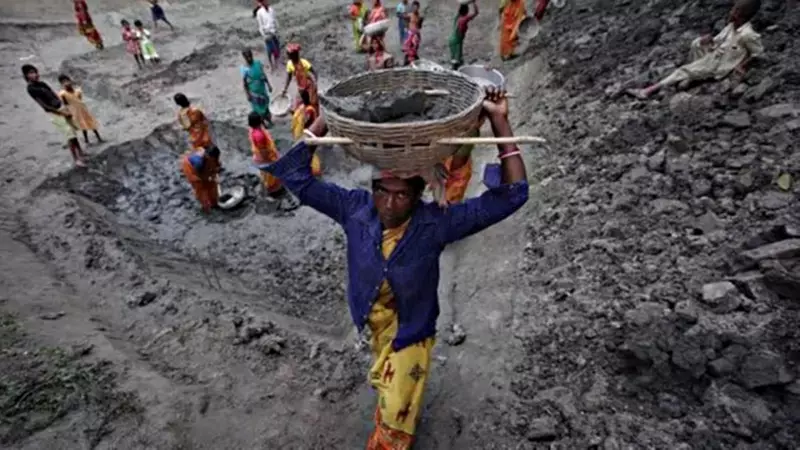
MGNREGA's impact on female employment is undeniable. The share of women in total person-days generated under the scheme climbed steadily from 48 percent in 2008-09 to nearly 58 percent in 2024-25. This growth persisted through changes in government and the challenges of a pandemic. The scheme became a critical, reliable source of wage work for women, especially when other options were scarce.
Several factors made MGNREGA particularly attractive to women. Government jobs carry a certain respectability in rural communities. The availability of workplace crèches allowed mothers to work while their young children were cared for. Perhaps most importantly, MGNREGA worksites were typically located closer to homes. This reduced commute time and cost, enabling women to balance paid work with their domestic responsibilities.

The scheme also enforced financial independence. Legally mandated equal wages for men and women, coupled with a revised direct payment system, meant women received their earnings directly into their bank accounts. This reduced their financial dependence on male family members and gave them greater control over household economics.
How the New Law Could Undermine Progress
The VB-G RAM G Act introduces conditionalities that may shrink job availability. The most significant change is the lack of a guaranteed 60-day work period during peak agricultural seasons. For a vast majority of rural women, especially those from marginalized communities, agricultural labor is their primary occupation. During peak seasons, MGNREGA provided a vital fallback option when farm work was unavailable.
Without this guarantee, women will likely be compelled to take up whatever informal work they can find. Informal work offers no assurance of consistent availability, fair wages, or safe workplaces near their homes. This shift could force women into poorer working conditions with weaker bargaining power.
The new law risks reinforcing deep-seated gender hierarchies. In rural India, patriarchal practices often treat women as a secondary source of labor. Their work is seen as necessary only to complement the main household income earned by men. In areas with more workers than available MGNREGA jobs, women were often the first to be excluded. A scheme with less guaranteed work could make this exclusion more systematic, pushing women further to the margins of the rural economy.
A Missed Opportunity for Consultation and Correction
Every policy requires monitoring, evaluation, and course correction to improve its effectiveness. MGNREGA, despite its limitations, successfully created demand-driven employment that responded to community needs. Critics point out that the central government did not consult MGNREGA workers or other key stakeholders before passing the VB-G RAM G Bill.
Instead of addressing the known implementation challenges within the existing framework, the government has replaced a program that served as a safety net when markets failed. The new law puts at risk a mechanism that promised employment as a legal right. The coming years will reveal whether the promise of more days translates into tangible, secure work for India's rural women, or if it diminishes the economic freedom they have gained.