

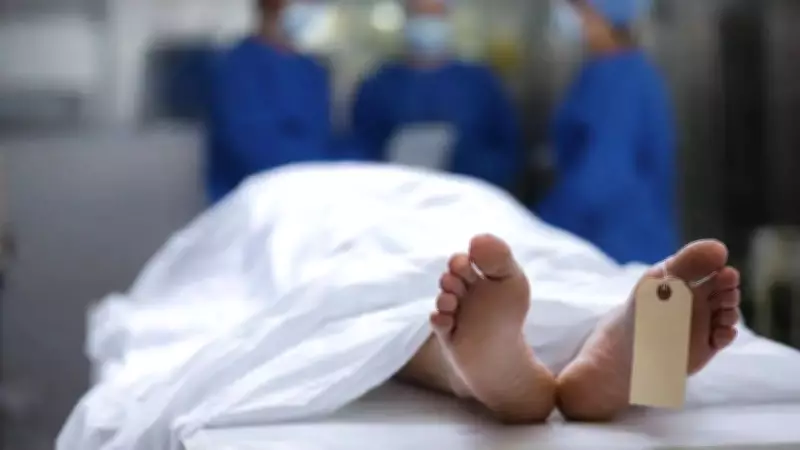
Kerala High Court Upholds Deceased's Right to Donate Body
The Kerala High Court has delivered a landmark judgment affirming that an individual's decision to donate their body after death holds legal primacy over objections raised by family members. The court recognized the right of every person to determine the disposition of their remains, emphasizing that the wishes expressed during one's lifetime must be respected.
Case Background
A Division Bench comprising Justice Dr. A.K. Jayasankaran Nambiar and Justice Preeta A.K. dismissed an appeal filed by the three children of Mary, a woman who died on February 23, 2026. The children had sought the release of their mother's body from Government Medical College Hospital, Kalamassery, to perform last rites according to their religious customs. However, Mary had voluntarily executed a consent document under Section 4A of the Kerala Anatomy Act, 1957, donating her body for medical education and research.
Legal Principles Upheld
The court noted that the consent document was an unequivocal written expression of Mary's wish that her body be used for educational purposes at Ernakulam Medical College. It ruled that the 'mere desire' of the children could not override the deceased's 'explicit expression of intention' to donate her body after death. The court observed that while the law does not grant rights to the dead in the same way as the living, it recognizes and respects a person's wishes expressed during their lifetime.

The Bench held that a person's choice regarding the use of their body after death forms part of their 'posthumous bodily integrity.' It stated that many people may choose traditional burial or cremation, while others may decide to donate their bodies for anatomical studies as a contribution to society. The court referred to legal principles exemplified by the unconditional recognition of a 'will' in law, as well as legislations like the Transplantation of Human Organs Act, 1994, and the Kerala Anatomy Act, which protect the interests of the deceased.
Court's Observations
The court observed that Section 4A of the Kerala Anatomy Act deals with instances where the dead body of a person who has expressed an unequivocal request during her lifetime for using the body after death for conducting anatomical dissection can be so used, subject to conditions. Since the children had not challenged the genuineness of Mary's consent document, the high court found no illegality in the donation of her body to Government Medical College, Kalamassery, holding that it was done to honor her wishes.
The writ appeal was dismissed by the court, setting a precedent that an individual's autonomy over their body extends beyond death and cannot be overruled by family members.






