Government Reports Major Infrastructure Repairs Following Indore Water Contamination Incident
In response to a tragic incident of water contamination in Indore that resulted in fatalities, the Union Ministry of Housing and Urban Affairs has provided a detailed update to the Rajya Sabha. The ministry confirmed that extensive measures have been taken to address water safety concerns across Madhya Pradesh.
Repair and Cleaning Efforts Across the State
According to the written reply submitted by Housing and Urban Affairs Minister of State Tokhan Sahu, the Madhya Pradesh government has been actively working to rectify water infrastructure issues. Out of 14,181 leakages detected in the state, a significant 12,634 have been successfully repaired to prevent further contamination risks.
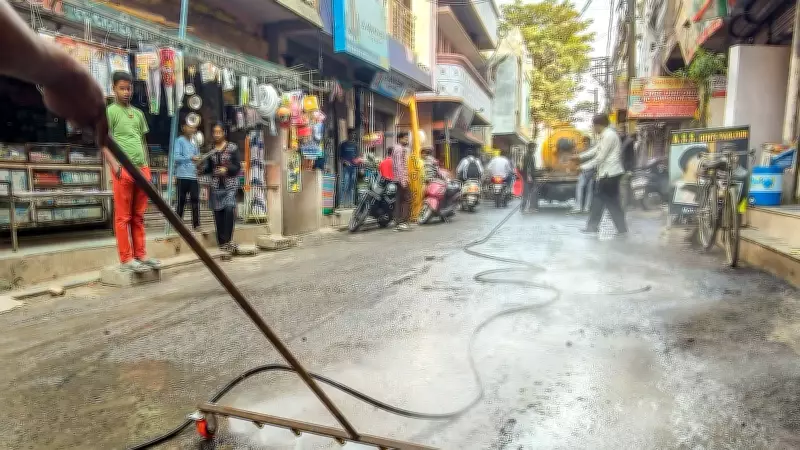
The cleaning of water storage facilities has also been prioritized. From 3,298 overhead tanks identified across Madhya Pradesh, 3,109 have undergone thorough cleaning procedures to ensure water quality standards are maintained.

Water Quality Monitoring and Response
The ministry's response highlighted comprehensive water testing protocols implemented following the Indore incident:
- Regular testing of water quality has been ensured throughout the state
- From 80,976 water samples tested, 656 were found to be failing quality standards
- Immediate action was taken at 588 identified pollution points
- Among 21,215 tubewells examined, 179 were found polluted and 86 were permanently closed
Specific Response to Indore Incident
The contamination crisis in Indore's Bhagirathpura area prompted immediate action from multiple agencies. Upon receiving reports of vomiting and diarrhea cases among residents on December 28, 2025, the Indore Municipal Corporation collaborated with the Health Department and Public Health Engineering Department to launch a joint response initiative.
Water samples were collected from multiple supply points at user endpoints and sent to NABL accredited laboratories for detailed contamination analysis. The investigation revealed that the affected area contained aging pipeline infrastructure dating back to 1997, with some sections showing significant damage.
The municipal administration has since identified these problematic pipeline stretches and incorporated them into the ongoing AMRUT 2.0 projects, which fall under the Ministry's schematic interventions for urban infrastructure development.
Government's Stance and Ongoing Initiatives
Minister Sahu emphasized that while water management remains a state subject, the Government of India actively supports state efforts through various advisory mechanisms and schematic interventions. The ministry has officially taken note of the Indore incident and continues to monitor the situation closely.
Indore currently benefits from multiple ongoing projects under the AMRUT 2.0 scheme, designed to enhance urban water supply and infrastructure resilience. These initiatives represent part of a broader national effort to prevent similar water contamination incidents through systematic infrastructure upgrades and rigorous quality monitoring protocols.