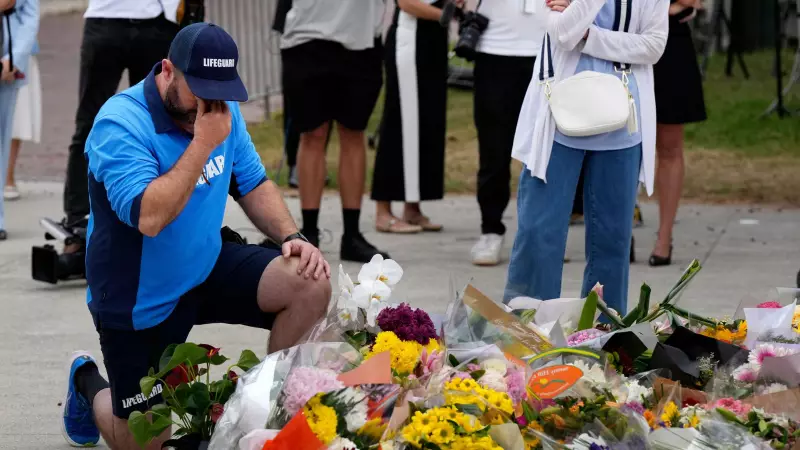
In the wake of a horrific mass shooting, Australia transformed its national identity regarding firearms. The catalyst was the Port Arthur massacre in Tasmania on April 28-29, 1996, where a lone gunman killed 35 people and wounded 23 others. This tragedy prompted the conservative government of then-Prime Minister John Howard to enact what are now considered some of the world's most stringent gun control measures.
The Swift Legislative Response: The National Firearms Agreement
Just twelve days after the Port Arthur shooting, Australian federal and state governments united to pass the landmark National Firearms Agreement (NFA). This sweeping legislation fundamentally reshaped the country's relationship with guns. The core of the NFA was a near-total ban on semi-automatic rifles and shotguns, weapons deemed too dangerous for civilian ownership.
The government didn't just ban these weapons; it launched a massive, compulsory gun buyback scheme. The program, which cost an estimated A$500 million (funded by a temporary tax levy), resulted in the purchase and destruction of more than 600,000 firearms. This action dramatically reduced the number of weapons in private circulation.

Key Pillars of Australia's Tough Gun Control Regime
Australia's approach is built on a foundation of strict regulations that go far beyond a simple buyback. The system is designed to make gun ownership a privilege, not a right, and to minimize risk at every step.
The laws mandate a 28-day waiting period for all gun purchases, allowing for thorough background checks. Prospective owners must provide a "genuine reason" for needing a firearm, such as verified participation in sport shooting or professional pest control. Self-defense is explicitly not considered a valid reason for gun ownership.
Other critical measures include:
- Secure storage requirements for all firearms.
- Universal registration of all guns to track ownership.
- Regular license renewals with ongoing "fit and proper person" assessments.
The Measurable Impact: A Dramatic Drop in Gun Violence
The results of Australia's decisive action are stark and well-documented. In the 27 years before the Port Arthur massacre, the country experienced 13 mass shootings. In the 27 years since the 1996 reforms, Australia has not had a single mass shooting event of comparable scale.
Statistics show a pronounced decline in gun-related deaths overall. The firearm homicide rate fell significantly, and the rate of firearm suicides also dropped by an estimated 65%. While gun violence has not been eliminated, its frequency and lethality have been drastically reduced, saving countless lives.
This policy success has not been without its critics. Some rural communities argue the laws unfairly impact farmers and sport shooters. There is also an ongoing illegal black market for guns. However, the consensus among public health researchers and safety advocates is that the laws have been overwhelmingly effective in their primary goal: preventing mass casualty events.
A Global Benchmark for Gun Control Debate
Australia's model is frequently cited in international debates on gun violence, particularly in nations like the United States grappling with frequent mass shootings. It demonstrates that a comprehensive, government-led approach combining legislative bans, a large-scale buyback, and strict ownership regulations can produce tangible public safety outcomes.
The legacy of Port Arthur is a nation that chose a different path. By acting swiftly and decisively, Australia established a global benchmark for effective gun control, proving that such tragedies can be a catalyst for lasting, life-saving change.