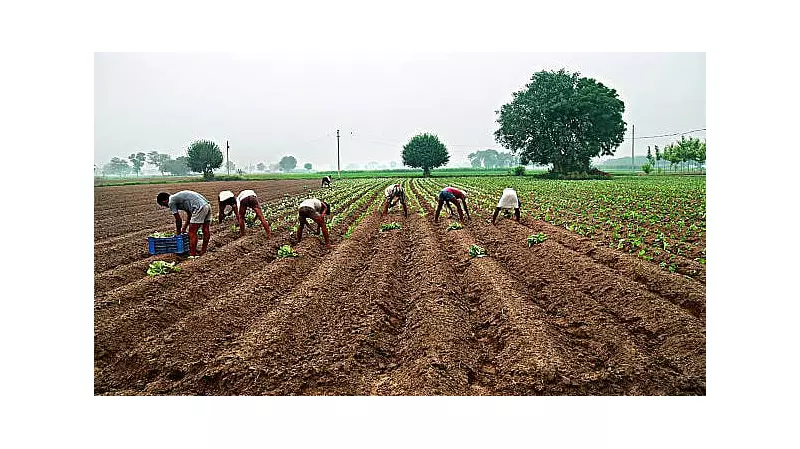
A recent and tentative decline in the tragic number of farmer suicides across India has provided a fragile moment of respite. However, this pause must not be mistaken for a solution. It represents a critical juncture where decisive and sustained government action is needed to break a long and devastating cycle of agrarian distress.
The Significance of the Current Pause
The data indicating a reduction in farmer suicides is a welcome development, offering a glimmer of hope in a narrative often dominated by despair. This shift, noted as of 16 December 2025, suggests that some recent interventions or seasonal factors may be providing temporary relief. Yet, the historical pattern of such crises is one of ebb and flow, where short-term improvements are often followed by a resurgence of hardship. The fundamental vulnerabilities within the agricultural sector—from debt and crop failure to volatile market prices—remain largely unaddressed. This makes the current pause inherently fragile.
Systemic Roots of the Crisis
The cycle of farmer suicides is not a spontaneous phenomenon but the tragic endpoint of deep-rooted systemic failures. Key factors perpetuating this crisis include:

- Crushing Debt: High input costs and reliance on informal credit sources trap farmers in inescapable debt cycles.
- Climate Vulnerability: Erratic monsoons, droughts, and unseasonal rains repeatedly destroy crops, wiping out annual incomes.
- Market Instability: Lack of fair and assured pricing, coupled with poor supply chain infrastructure, leaves farmers at the mercy of middlemen.
- Policy Gaps: Inadequate implementation of support schemes, insurance, and timely compensation exacerbates financial distress.
Therefore, treating the symptom—the suicide numbers—without curing the disease of systemic farmer distress will only lead to a repetition of the tragic cycle.
Turning a Pause into a Permanent Turning Point
For this moment to become a genuine historical turning point, concerted and multi-dimensional efforts are required. The government, policymakers, and all stakeholders must leverage this pause to implement robust, long-term solutions. This involves moving beyond reactive measures to proactive structural reform.
Essential steps include ensuring swift and transparent access to institutional credit and loan waivers where absolutely necessary, but coupling them with income assurance models like guaranteed MSP. Investing in climate-resilient agriculture, water conservation, and crop diversification is no longer optional but a survival imperative. Strengthening the rural non-farm economy to provide alternative income sources can reduce the overwhelming pressure on farming as the sole livelihood.
Ultimately, the goal must be to restore dignity and economic viability to farming. The fragile pause we witness today is a window of opportunity. It is a chance to build a resilient Indian agriculture sector where the farmer is empowered, not desperate. The nation must act with urgency to ensure that this is not merely an interlude in sorrow, but the beginning of a new, hopeful chapter.