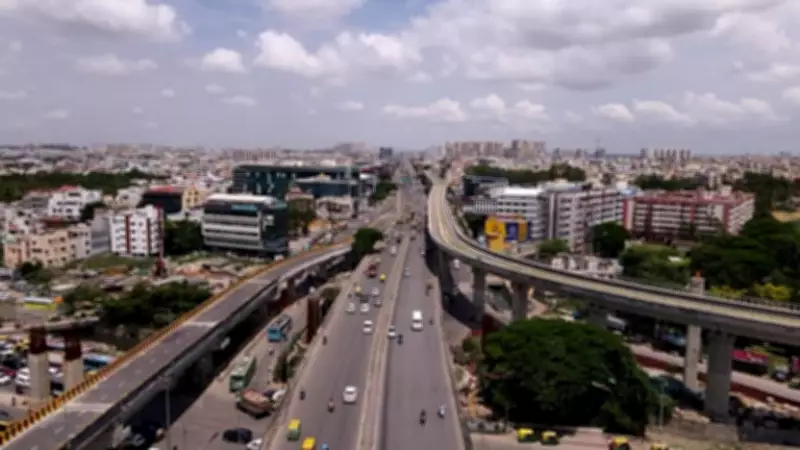
Elevated corridors have become a hallmark of modern urban infrastructure, promising to ease congestion and speed up travel. However, a closer examination reveals that these flyovers often bypass the ground realities of the communities they traverse. While they offer a smooth ride for motorists, they frequently ignore the needs of pedestrians, cyclists, and local businesses.
The Promise of Efficiency
Proponents argue that elevated corridors reduce travel time and improve connectivity. They are designed to carry high volumes of traffic over long distances without interruption from signals or cross traffic. In cities like Bengaluru, Mumbai, and Delhi, these structures have been built to link major hubs, aiming to decongest surface roads.
Yet, the benefits are not evenly distributed. The corridors often serve the affluent who own cars, while the majority of city dwellers who rely on public transport, walking, or cycling see little improvement. The elevated structures can create barriers, dividing neighborhoods and making it harder for people to cross roads or access local shops.

Displacement and Social Costs
Construction of elevated corridors frequently requires land acquisition, leading to displacement of residents and businesses. Compensation is often inadequate, and the social fabric of communities is disrupted. In many cases, the displaced are pushed to the periphery, further from jobs and services.
Moreover, the environmental impact is significant. The concrete structures contribute to heat island effects, and the construction process generates dust and noise pollution. The long-term maintenance of these corridors also poses a financial burden on municipal corporations.
Alternative Approaches
Urban planners are increasingly advocating for integrated transport solutions that prioritize mass transit, non-motorized transport, and mixed-use development. Instead of building more elevated corridors, cities could invest in bus rapid transit systems, dedicated cycling lanes, and pedestrian-friendly streets. Such approaches are more inclusive and sustainable.
For instance, the transformation of Seoul's Cheonggyecheon stream from a highway to a public park shows how removing elevated structures can revitalize urban spaces. Similarly, cities like Copenhagen have prioritized cycling infrastructure, resulting in higher mobility and better quality of life.
Conclusion
Elevated corridors are not a panacea for urban mobility. They often bypass the real needs of communities, exacerbate inequality, and harm the environment. A more holistic approach that considers all road users and the long-term health of cities is essential. Policymakers must look beyond the allure of quick fixes and engage with the complex realities of urban life.