Young Elephant Cannot Survive in Wild, Says Forest Department
The Maharashtra Forest Department has informed the Kolhapur circuit bench of the Bombay High Court that a 10-year-old elephant named "Omkar" cannot be rehabilitated in the wild and requires specialized training at Vantara in Gujarat's Jamnagar. The department made this submission during a hearing on Friday, November 7, 2025, emphasizing that the elephant's immature age makes training essential for its survival.
Legal Proceedings and Department's Stand
The chief wildlife warden of Maharashtra's Forest Department presented the department's position while responding to a Public Interest Litigation (PIL) filed by Rohit Prakash Kamble. The PIL sought protection and conservation of wildlife, particularly elephants entering Maharashtra through the Western Ghats region.
Advocate T J Kapre, representing the state government, informed the division bench of Justices M S Karnik and Ajit B Kadethankar on November 4 that authorities had initiated action under Section 11 of The Wildlife (Protection) Act, 1972 to capture and relocate the elephant. The preferred destination identified was Vantara, run by the Radhe Krishna Temple Elephant Welfare Trust (RKTWET).

The state lawyer emphasized that shifting Omkar to Vantara was "only and only in the interest of the elephant" and necessary to prevent potential human-wildlife conflicts in the region.
Elephant's History and Behavior Patterns
As previously reported by The Indian Express in September, the sub-adult male elephant had been frequently spotted roaming forested areas in Sindhudurg district of the Konkan region. The elephant had become separated from its original six-member herd in Sindhudurg and was later seen in the Pernem region of North Goa.
During this period, Omkar had been involved in several incidents of ransacking paddy fields and foraging for coconuts, areca nuts, and bananas, raising concerns among local communities and authorities about potential conflicts.
Legal Requirements and Next Steps
The Forest Department officials stated they were satisfied that the elephant could not be rehabilitated in its natural habitat as per the second proviso to Section 11(a) of the Wild Life (Protection) Act, 1972. This provision requires the Chief Wildlife Warden to record reasons for such decisions in writing.
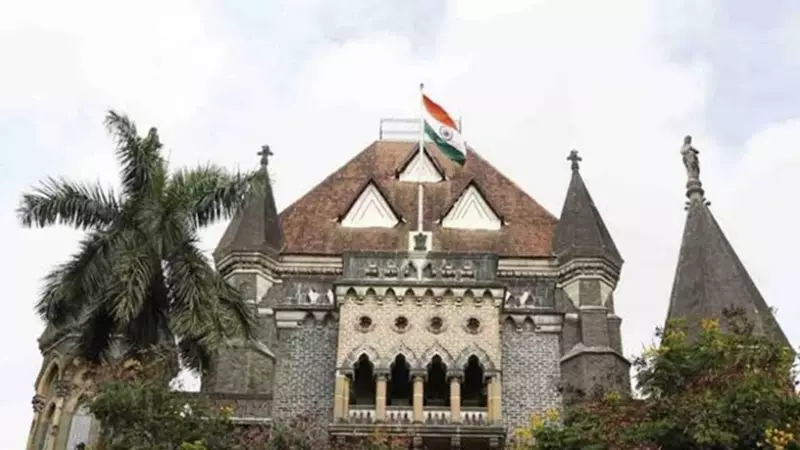
Following the submissions, the Bombay High Court has directed the chief wildlife warden to file a detailed affidavit elaborating the department's stand within one week. The court has scheduled the next hearing in the matter for November 14, 2025, when it will review the comprehensive response from the forest authorities.
The case highlights the ongoing challenges in managing human-wildlife interactions in Maharashtra's Western Ghats region and the legal framework governing the protection and relocation of endangered species when rehabilitation in natural habitats becomes unfeasible.