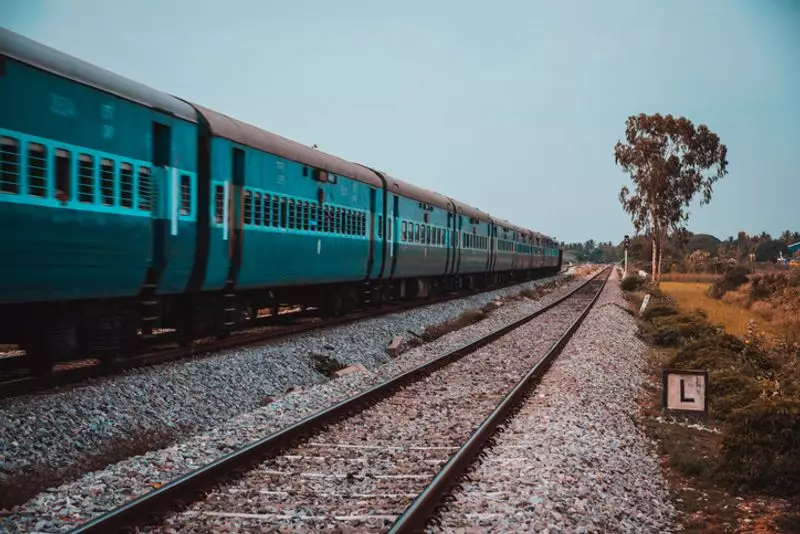
In a significant disruption highlighting the challenges of human-wildlife coexistence, railway authorities in India's northeast have been forced to cancel a series of passenger train services. The cause? The movement of wild elephant herds dangerously close to active railway tracks.
Railway Operations Halted for Safety
The Northeast Frontier Railway (NFR) zone took the decisive step of cancelling more than half a dozen passenger trains. This precautionary measure is specifically in effect for three days: May 10, 11, and 12, 2024. The primary area of concern is the section near Guwahati, the bustling gateway city to the region.
The cancellations are a direct response to reports of elephant herds moving and congregating in close proximity to the railway lines. The safety of both the passengers and the protected pachyderms is paramount, leading to this temporary suspension of services on affected routes.

List of Affected Train Services
The following key passenger trains have been cancelled due to the ongoing situation:
- Train No. 55603/55604: Dekargaon – Guwahati – Dekargaon Passenger
- Train No. 55605/55606: Dekargaon – Guwahati – Dekargaon DEMU
- Train No. 55607/55608: Rangiya – Guwahati – Rangiya DEMU
- Train No. 55631/55632: Rangiya – Dekargaon – Rangiya DEMU
These cancellations impact daily commuters and travelers relying on these routes for local and regional connectivity. The NFR has officially communicated these changes to the public, advising passengers to seek alternative travel arrangements during this period.
Ongoing Challenge at the Human-Wildlife Interface
This incident is not an isolated one for the Northeast Frontier Railway. The region, rich in biodiversity and bordering critical wildlife habitats, frequently faces such operational challenges. Elephant movements, particularly during certain seasons or in search of food and water, often bring them into conflict with human infrastructure, including railways and roads.
Railway authorities, in coordination with forest departments, constantly monitor such situations. The decision to cancel trains is typically a last resort, taken when other mitigation measures like slowing down trains, constant vigilance, and attempts to gently steer the herds away are deemed insufficient to guarantee safety.
The three-day cancellation window suggests authorities are anticipating a prolonged presence of the elephants in the railway corridor or are allowing time for the herds to move away naturally without the stress and danger posed by running trains.
Broader Implications and Passenger Advisory
While ensuring the safety of endangered Asian elephants is a critical conservation priority, such disruptions also underscore the need for more permanent, innovative solutions. These could include the creation of dedicated animal corridors, the use of advanced sensing technology for early warnings, and strengthened habitat management to reduce the need for animals to venture into human-dominated spaces.
For now, passengers booked on the cancelled trains are entitled to a full refund as per railway rules. The NFR has urged travelers to check the latest status of their trains through official channels like the NTES app, railway enquiry counters, or the NFR website before heading to stations on these dates.
This event serves as a stark reminder of the delicate balance between development, mobility, and ecological preservation in one of India's most biodiverse regions.