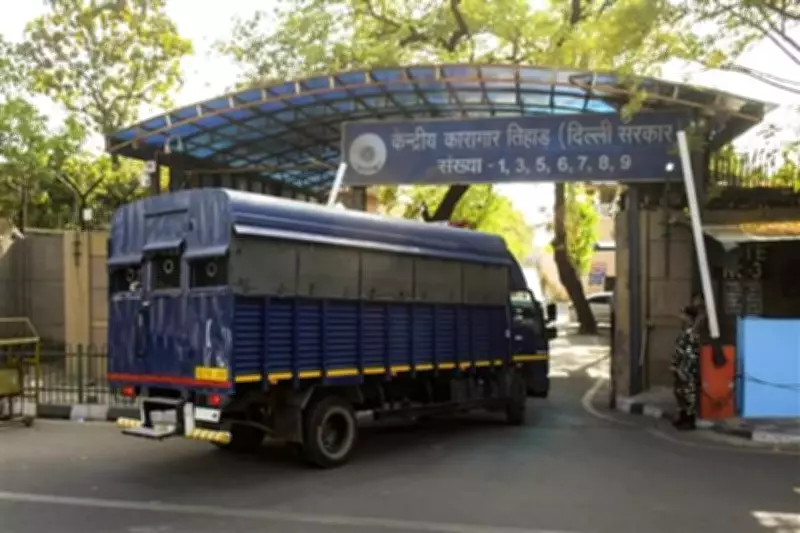
The Delhi prison authorities have rolled out a standardized parcel policy for inmates, aiming to eliminate arbitrary practices and bring uniformity across all correctional facilities in the capital. The new guidelines, effective immediately, specify the types and quantities of items that can be sent to prisoners, along with clear inspection protocols.
Key Features of the New Policy
Under the revised framework, each inmate is allowed to receive parcels containing essential items such as clothing, books, and approved food items, subject to a maximum weight limit. The policy explicitly bans contraband, including mobile phones, drugs, and sharp objects. All parcels will be thoroughly checked by trained staff using modern scanning equipment.
Preventing Discretionary Decisions
Previously, parcel acceptance varied from jail to jail, leading to complaints of favoritism and inconsistency. The new policy sets uniform standards for all seven prisons in Delhi, including Tihar, Mandoli, and Rohini. Officials say this will reduce grievances and ensure fair treatment for all inmates.

Implementation and Compliance
Prison staff have been instructed to adhere strictly to the policy, with random audits planned to monitor compliance. Inmates and their families will be informed about the rules through notice boards and during visitation hours. The move is part of broader reforms to modernize prison administration and uphold human rights.
According to a senior prison official, the policy was developed after consulting legal experts, human rights organizations, and prison staff. It aims to balance security concerns with the rights of inmates to receive essential items from their families.