While many associate India with a vibrant social culture, few are aware that several regions across the country enforce a complete ban on alcohol. This prohibition is rooted in Article 47 of the Indian Constitution, which directs the State to endeavor towards prohibiting intoxicating drinks. The implementation of this directive, however, varies significantly, creating a patchwork of dry and regulated zones nationwide.
The Constitutional Mandate and Its Varied Implementation
The foundation for alcohol prohibition in India is constitutional. Article 47 explicitly guides the state to work towards banning intoxicating drinks and drugs, citing their harmful effects. This has led to a complex legal landscape where some states enforce a total ban, others have partial restrictions, and a few regulate sale and consumption strictly. The reasons behind these bans range from social welfare and public health to preserving cultural and tribal norms.
Gujarat: The Pioneer of Prohibition
Gujarat holds the distinction of being India's longest-running dry state, with prohibition enforced since its formation in 1960. The state continues to uphold the Bombay Prohibition Act of 1949, which renders the manufacture, sale, and consumption of alcohol illegal. Notably, Gujarat is infamous for having the most severe penalties in the country, especially for the production and sale of illicit homemade liquor, reflecting its stringent stance.

Bihar's Total Ban for Social Welfare
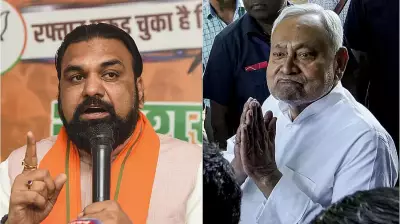
In a major policy move, the Bihar government implemented a complete alcohol ban in 2016 under the Bihar Excise (Amendment) Act. This decision was spearheaded by then Chief Minister Nitish Kumar with the primary objective of curbing alcoholism and mitigating its associated social and economic harms on families and society at large.
Nagaland and Mizoram: Prohibition in the Northeast
The northeastern states present unique cases of prohibition driven by community and cultural values. Nagaland enacted the Nagaland Liquor Total Prohibition Act in 1989, instituting one of India's strictest bans on the sale, possession, consumption, and manufacture of alcohol. The law was primarily driven by social, cultural, and community concerns regarding alcohol abuse.
Mizoram's journey has seen more evolution. After prohibiting alcohol in 1997 under the Mizoram Liquor Total Prohibition Act, 1995, the state later amended its laws. In 2007, it allowed limited production of wine from guavas and grapes. The current legal framework is governed by the Mizoram Liquor (Prohibition and Control) Act, which maintains its status as a dry state but with specific regulated provisions.
Union Territories and Partial Exceptions
The Union Territory of Lakshadweep also maintains a largely alcohol-free environment to preserve social order and local culture. However, recognizing the needs of tourism, a notable exception exists. Alcohol is permitted on Bangaram Island, a prominent tourist destination, but strictly within select licensed venues catering to visitors.
The Ongoing Debate and Future of Prohibition
The policy of prohibition in India remains a deeply debated topic. Proponents argue it protects public health, reduces crime, and safeguards family incomes. Critics point to issues like the rise of illicit liquor trade, loss of state revenue, and the challenge of enforcement. The diversity in approaches—from Gujarat's unwavering ban to Mizoram's regulated model—highlights the ongoing experiment of balancing constitutional ideals with ground realities. As social attitudes and economic pressures evolve, the laws in these dry states may continue to be tested and potentially reformed.