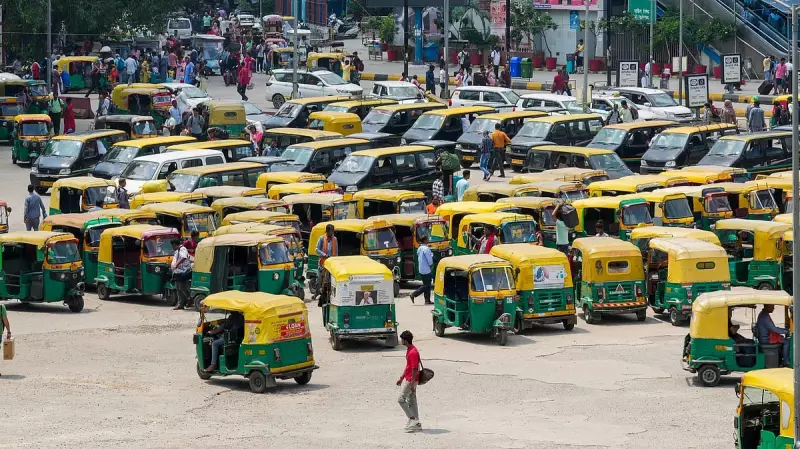
Bengaluru's iconic yellow and black auto rickshaws, once the lifeline of the city's transport system, are now at the center of a growing commuter crisis. The familiar sight of passengers arguing with drivers over fares has become an everyday scene across India's tech capital.
The Meter Muddle: What's Really Happening?
Despite having a government-approved fare structure, many auto drivers in Bengaluru operate outside the regulated system. The issues plaguing the sector are multifaceted:
- Arbitrary pricing: Drivers frequently demand fares significantly higher than meter rates
- Refusal culture: Systematic rejection of passengers, especially for shorter distances
- Digital meter issues: Many vehicles still lack the mandated digital meters
- Night charge confusion: Inconsistent application of extra charges during evening hours
Why This Crisis Demands Immediate Attention
The auto rickshaw sector isn't just about transportation—it's about Bengaluru's identity as a modern, organized metropolis. The current situation affects:

- Daily commuters: Office-goers, students, and senior citizens who rely on autos
- Tourism: Visitors often get their first impression of the city through auto rides
- Workforce mobility: Last-mile connectivity for IT professionals
- City reputation: Bengaluru's image as an organized, tech-savvy city suffers
The Search for Permanent Solutions
While quick fixes have been attempted, what Bengaluru truly needs is a comprehensive, long-term strategy. Potential solutions include:
Technology Integration: Widespread adoption of digital meters with GPS tracking could bring transparency to fare calculation. App-based services have shown the way, but traditional autos need to catch up.
Regulatory Reforms: Stronger enforcement of existing rules combined with fair compensation for drivers could create a more balanced ecosystem. Regular fare revisions based on fuel costs might reduce arbitrary pricing.
Driver Welfare: Addressing the genuine concerns of auto drivers about rising operational costs is crucial for any sustainable solution.
The Way Forward for Bengaluru's Transport
The auto rickshaw fare issue represents a larger challenge in urban governance. As Bengaluru continues to grow as a global tech hub, its public transportation system must evolve to meet international standards while preserving the unique character of its local transport.
The time has come for all stakeholders—government, auto unions, tech companies, and citizens—to work together toward a permanent fix that benefits everyone. After all, a city's progress is measured not just by its skyscrapers and tech parks, but by the ease with which its residents can move around.