Construction Begins for 100-Bed Hospital in Hanchipura Village
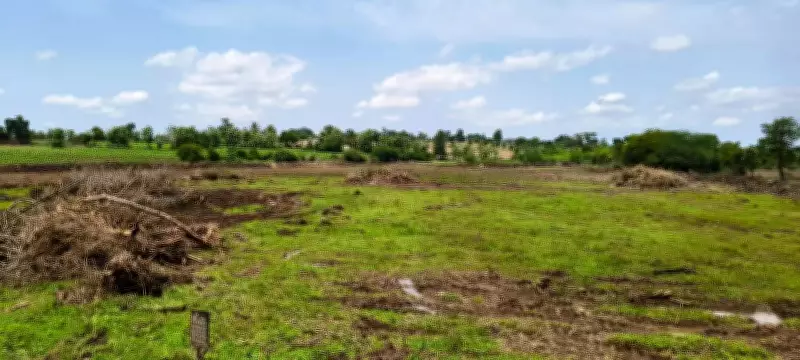
Mysuru: The construction of a 100-bed hospital in Hanchipura village, located on the B Matakere-Saraguru Road, has officially commenced. Once operational, this hospital will become a lifeline for residents of 94 villages in Saraguru taluk, who are predominantly from tribal communities, Scheduled Castes (SCs), and Other Backward Classes (OBCs). The hospital is being built at an estimated cost of Rs 32 crore.
Addressing Healthcare Needs of Remote Areas
According to authorities, the hospital will cater to the most backward villages and tribal hamlets (haadis) in Saraguru, which still lack all-weather roads and other basic amenities. The facility is expected to provide easy access to healthcare support for patients from these remote areas, significantly improving their quality of life.
Dr T Ravi Kumar, the taluk health officer of HD Kote, confirmed that the construction work began recently. “Once the works are completed, the pressure on HD Kote taluk hospital will come down,” he said.

New Taluk Infrastructure Boost
Saraguru is one of the newly created taluks in Mysuru district. The state government has also initiated a similar 100-bed hospital project in another new taluk, Saligrama. Both Saraguru and Saligrama previously had 30-bed community health centres (CHCs). After the formation of these new taluks, 100-bed hospitals were sanctioned to meet the growing healthcare demands.
Until now, residents of these areas had to travel to HD Kote or Nanjangud taluk hospitals or seek care in Mysuru city. The Saraguru CHC, with its limited 30-bed capacity, was recording an average of 120 to 130 inpatients and 4,000 to 4,500 outpatients every month. The new hospital aims to improve health infrastructure in the area and reduce the burden on nearby public health facilities.
Modern Facilities for Weaker Sections
“The works started recently. The hospital will have all modern facilities. It will be a big boon to the communities, mostly from the socially weaker sections and tribals,” said Dr Ravi Kumar.