

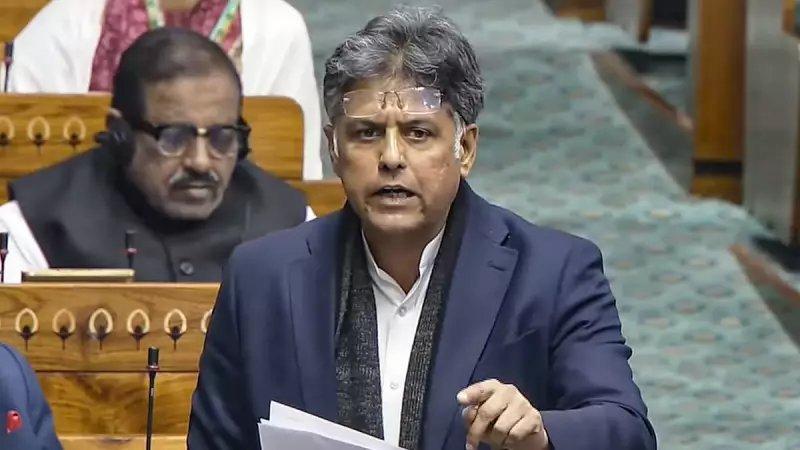
Congress Member of Parliament Manish Tewari has voiced significant concerns regarding India's proposed nuclear liability legislation, arguing that it offers excessive protection to equipment suppliers while potentially undermining the autonomy of the national nuclear regulator. His comments, made in an interview, highlight a critical debate as India moves to involve private players in its nuclear energy sector.
Key Concerns Over Supplier Liability and Public Safety
In his critique, Tewari focused on the core issue of liability in the event of a nuclear incident. He asserted that the draft of the new nuclear law contains provisions that effectively shield suppliers of nuclear equipment and technology from financial and legal responsibility following a disaster. This, he argues, creates a risky imbalance where the public and the state could bear the brunt of the consequences while suppliers operate with limited accountability.
The interview, which took place on December 19, 2025, brings this discussion to the forefront of parliamentary discourse. Tewari's position suggests that the proposed framework may deviate from the "polluter pays" principle, a cornerstone of environmental and industrial safety regulations worldwide.

Independence of Nuclear Regulator Under Scrutiny
Perhaps the most troublesome aspect highlighted by the Congress MP is the potential impact on the Atomic Energy Regulatory Board (AERB). Tewari explicitly questioned the autonomy and independence of the AERB, especially at a juncture where the government is opening up the nuclear power sector to private investment.
He implied that a robust and truly independent regulator is non-negotiable for ensuring safety standards. The concern is that with increased private sector participation, the pressure on the regulatory body could intensify, and its ability to enforce strict safety protocols without external influence must be guaranteed by law. "The autonomy of the AERB is paramount," his argument underscores, particularly during a phase of sectoral expansion.
Implications for India's Nuclear Energy Ambitions
The government's push to amend nuclear liability laws is closely tied to its ambitions of significantly boosting nuclear power capacity. Inviting private players is seen as a way to accelerate growth, bring in new technology, and secure funding. However, Tewari's intervention points to a potential legislative blind spot.
The debate centers on finding a delicate balance:
- Creating an attractive environment for domestic and international suppliers.
- Ensuring absolute priority for public safety and environmental protection.
- Maintaining an iron-clad, independent regulatory oversight mechanism.
Failure to address these concerns, critics warn, could lead to a framework perceived as weak on safety, eroding public trust in India's nuclear energy program. The coming parliamentary sessions are likely to see intense scrutiny of the bill's fine print, with opposition members demanding stronger liability clauses and statutory guarantees for the AERB's independence.
As of now, the government has yet to issue a formal response to these specific criticisms raised by Manish Tewari. The development sets the stage for a crucial legislative battle over the future contours of India's nuclear energy policy.






