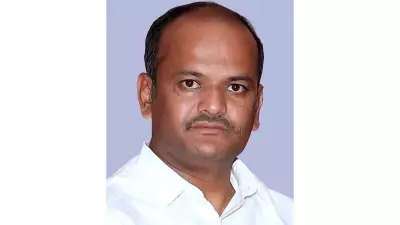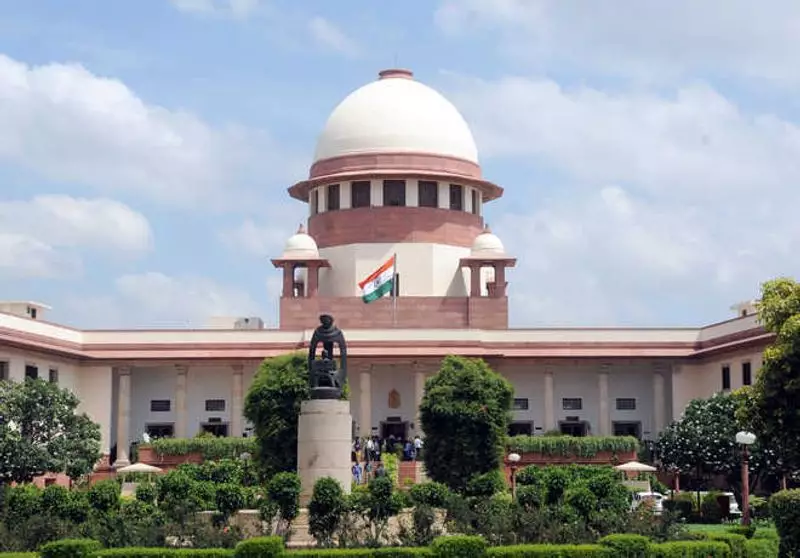
The Supreme Court of India has delivered a significant ruling, dismissing a petition filed by Trinamool Congress MP Mahua Moitra. The petition sought to restrain Lok Sabha Speaker Om Birla from constituting an inquiry committee to probe allegations against her. The apex court's decision paves the way for the Speaker to proceed with the formation of the panel.
Court's Rationale and Legal Standpoint
A bench comprising Justices Sanjiv Khanna and Dipankar Datta pronounced the verdict. The court clarified that it found no valid grounds to issue an order preventing the Lok Sabha Speaker from forming an inquiry committee. The judges emphasized the principle of parliamentary autonomy and the separation of powers between the legislature and the judiciary.
The bench explicitly stated that it would not interfere with the proceedings initiated by the Speaker. This stance reinforces the constitutional framework where each House of Parliament is supreme in regulating its own internal procedures. The court's refusal to intervene at this stage underscores its respect for the established processes of parliamentary democracy.

Background of the Cash-for-Query Allegations
The controversy stems from serious accusations leveled against Mahua Moitra by BJP MP Nishikant Dubey. Dubey alleged that Moitra accepted bribes, including cash and gifts, from businessman Darshan Hiranandani. The alleged bribes were in exchange for asking specific questions in Parliament, targeting the Adani Group and Prime Minister Narendra Modi.
These allegations, often referred to as a "cash-for-query" scandal, were brought before Lok Sabha Speaker Om Birla. Based on the complaint, the Speaker had initiated the process to refer the matter to the Ethics Committee of the Lok Sabha for a thorough investigation. Moitra's legal challenge was an attempt to halt this process before it formally began.
Implications and Next Steps
With the Supreme Court's dismissal of the plea, the path is now clear for Speaker Om Birla to officially constitute the inquiry committee, most likely the Ethics Committee. This committee will have the authority to summon relevant individuals, examine documents, and gather evidence related to the allegations.
The ruling has immediate political ramifications. It allows a parliamentary investigation into the conduct of a sitting MP to move forward, setting a precedent for how similar cases are handled in the future. The Ethics Committee's findings could lead to recommendations ranging from a clean chit to severe disciplinary action, including potential disqualification from the Lok Sabha.
This development marks a critical juncture in the case, shifting the focus back to the parliamentary forum. All eyes will now be on the Lok Sabha Secretariat and the Ethics Committee as they undertake one of the most high-profile probes into an MP's conduct in recent times.