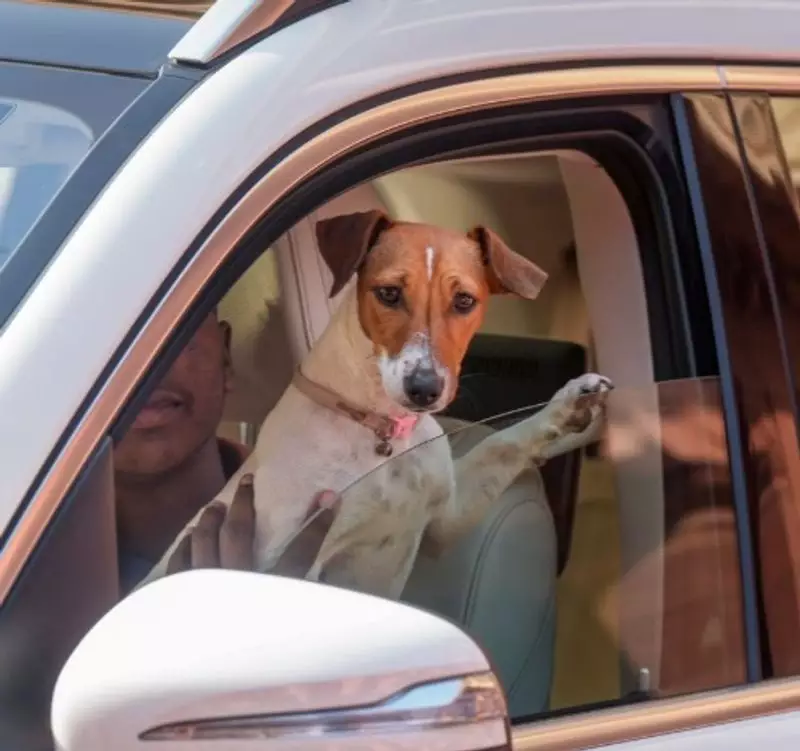
A recent incident involving Congress leader Rahul Gandhi and his pet dog has ignited a fresh debate over the rules governing the Parliament premises in New Delhi. The controversy emerged after Gandhi was seen with his dog inside the Parliament complex, leading to questions about the permissible conduct for Members of Parliament.
The Incident That Sparked the Controversy
The issue came to light when visuals circulated showing Rahul Gandhi with his dog within the Parliament House. This prompted immediate reactions from political circles and the media, questioning whether such an act was permitted under the existing regulations. The Lok Sabha Secretariat, the administrative body of the lower house, was compelled to issue a clarification in response to the growing queries.
The Secretariat stated that while pets are not allowed to be brought to the Parliament House from outside, there is no specific rule that bars animals which are already present inside the complex. This nuanced explanation pointed to the possibility that the dog might have been residing within the Parliament estate, a detail that added further layers to the discussion.

Clarification from the Lok Sabha Secretariat
In its official communication, the Lok Sabha Secretariat aimed to set the record straight. It emphasized that the regulations primarily prohibit members from introducing pets from external locations into the Parliament House. However, the rules do not explicitly address the status of animals that are already inhabiting the vast Parliament estate, which includes residential quarters and other facilities.
This clarification did little to quell the political storm. The incident quickly became a point of contention between the ruling Bharatiya Janata Party (BJP) and the opposition Congress party. BJP members and supporters criticized the act, framing it as a breach of parliamentary decorum and a disregard for established norms. They argued that the Parliament is a place of serious legislative work and should be treated with utmost respect.
Political Reactions and Broader Implications
On the other hand, Congress defenders and some observers viewed the criticism as politically motivated, suggesting it was an attempt to target Rahul Gandhi over a trivial matter. They highlighted that the dog's presence did not disrupt any parliamentary proceedings and that the Secretariat's own statement indicated no clear-cut violation.
The episode has triggered a broader conversation about the need for clear, unambiguous guidelines regarding pets within the Parliament complex. It raises several questions:
- Should there be a uniform policy for all animals on the estate?
- How should the rules distinguish between pets brought in temporarily and those residing permanently?
- Is there a need to formally codify these norms to prevent future controversies?
This is not the first time an MP's pet has been in the news, but the incident involving a high-profile leader like Rahul Gandhi has certainly amplified the scrutiny. The debate touches on issues of privilege, protocol, and the evolving nature of workplace environments, even one as unique as the Indian Parliament.
The controversy underscores how even seemingly minor incidents can escalate into significant political discussions, reflecting the highly charged atmosphere of Indian politics. It remains to be seen whether this event will lead to a formal review or amendment of the Parliament's rules concerning pets and animals on its premises.
For now, the Lok Sabha Secretariat's statement serves as the guiding principle, leaving room for interpretation and ensuring that this 'paw-litical' debate is likely to continue in the corridors of power.