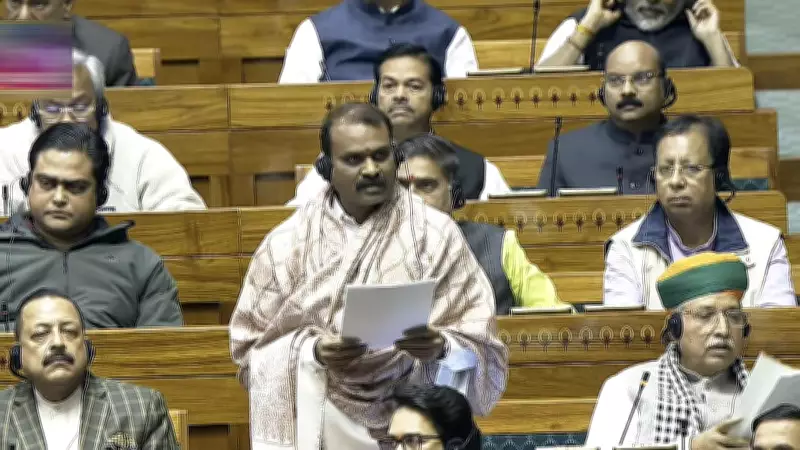
Rajya Sabha Approves Nominations for Key Parliamentary Committees
The Rajya Sabha, the upper house of India's Parliament, has officially approved motions for the nomination of members to three significant parliamentary committees. This decision was made during a recent session, marking a procedural step in the legislative process that ensures the effective functioning of parliamentary oversight and governance.
Committees in Focus
The approved nominations pertain to the Committee on Public Undertakings, along with two other committees whose roles are integral to parliamentary operations. The Committee on Public Undertakings is particularly notable as it oversees the performance and accountability of public sector enterprises, playing a vital role in ensuring transparency and efficiency in government-run organizations.
This approval underscores the Rajya Sabha's commitment to maintaining robust parliamentary mechanisms. By nominating members to these committees, the house facilitates detailed scrutiny of government policies and expenditures, which is essential for democratic accountability. The motions were passed without any reported opposition, indicating a consensus among members on the importance of these committees.

Context and Implications
The nominations come amid ongoing parliamentary sessions where various legislative and administrative matters are being addressed. The Rajya Sabha's action highlights the continuous efforts to strengthen India's parliamentary democracy by ensuring that committees are adequately staffed and functional. These committees serve as critical tools for in-depth analysis and review of government actions, contributing to informed decision-making and public trust.
The approval process involved formal motions presented in the house, followed by discussions and eventual consensus. This procedural step is a routine yet essential part of parliamentary work, as committees play a key role in examining bills, conducting inquiries, and providing recommendations to the government. The nominations are expected to enhance the committees' effectiveness in their respective domains.
Broader Parliamentary Framework
In the broader context of Indian politics, the Rajya Sabha's approval of committee nominations reflects the institutional framework that supports legislative oversight. The Committee on Public Undertakings, for instance, is tasked with evaluating the performance of public sector units, which are significant contributors to the national economy. By ensuring that such committees are properly constituted, the Rajya Sabha contributes to governance reforms and economic management.
This development is part of the regular parliamentary calendar, where committee formations and renewals are periodically addressed. It underscores the importance of bipartisan cooperation in parliamentary proceedings, as such nominations often require cross-party support to be approved smoothly.
Overall, the Rajya Sabha's decision to approve these nominations reinforces the role of parliamentary committees in India's democratic system, ensuring that they remain active and capable of fulfilling their oversight responsibilities.