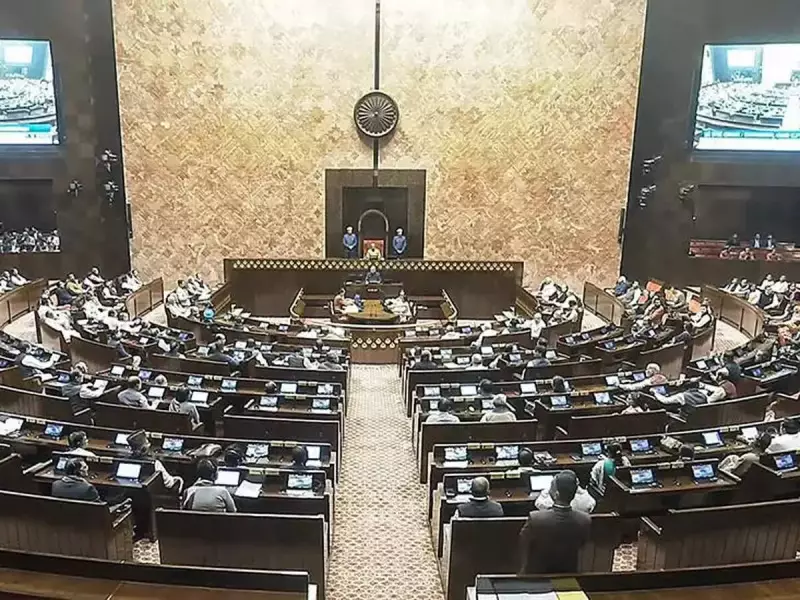
A recent analysis by the think tank PRS Legislative Research has revealed a significant trend in India's parliamentary functioning. The study indicates that in the current year, less than 30 per cent of the total working time was dedicated to core legislative activities. This includes debating and passing crucial bills that shape the nation's policies.
Key Findings on Parliamentary Productivity
The data shows that both houses of Parliament, the Lok Sabha and the Rajya Sabha, held sessions for a combined total of 62 days each. While the Lok Sabha utilized 80 per cent of its allotted sitting time, the Rajya Sabha performed marginally better, sitting for 83 per cent of its scheduled time. Despite this, a major portion of the sessions was not focused on lawmaking.
Another critical aspect of parliamentary oversight, the Question Hour, did not function for its full scheduled duration in either house. This period is vital for holding the government accountable through direct queries from members.

Legislative Output and Committee Scrutiny
During 2025, Parliament managed to pass 31 bills. Notable legislations included amendments to laws governing waqf properties and income tax simplification. Other significant laws passed were those aimed at prohibiting online money games, opening up the nuclear energy and insurance sectors, and amending the Mahatma Gandhi National Rural Employment Guarantee Act (MGNREGA).
Since the commencement of the 18th Lok Sabha, a total of 42 bills have been introduced. Out of these, only 11 bills, which accounts for 26 per cent, were referred to parliamentary committees for detailed examination. The analysis highlights that merely one bill was sent to a department-related standing committee. Currently, joint committees are examining two sets of bills: one on simultaneous elections and another comprising three bills on the removal of ministers upon detention.
Implications for Democratic Functioning
The findings raise important questions about the balance of time and priorities within the highest legislative body of the country. With a substantial majority of parliamentary time being consumed by non-legislative business, the depth of debate and scrutiny on proposed laws may be impacted. The low rate of bills being sent for committee review, which allows for expert input and stakeholder consultation, is another area of concern for democratic deliberation and robust lawmaking.
The PRS analysis serves as a crucial mirror to the operational efficiency of Parliament, underscoring the need for optimizing time to ensure thorough discussion and passage of legislation that affects millions of citizens.