A key parliamentary committee in India has been granted additional time to complete its review of significant legislative proposals. These bills aim to alter the constitutional process for removing the country's Prime Minister and state Chief Ministers.
Extension Granted for Detailed Scrutiny
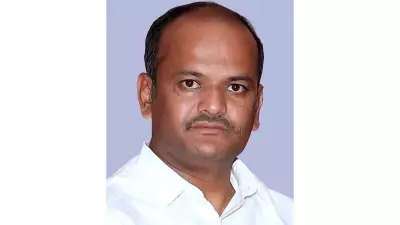
The Committee on Law and Justice, led by Bharatiya Janata Party (BJP) MP Sushil Kumar Modi, was initially required to submit its report during the current Budget session of Parliament. However, Lok Sabha Speaker Om Birla has approved an extension for the panel. This allows the committee more time to thoroughly examine the nuances and potential implications of the proposed legislation.
The committee's original deadline was the final day of the Budget session. The new timeline requires the panel to present its findings to the Speaker before the commencement of the next parliamentary session. This indicates the complex and sensitive nature of the bills under consideration.

The Bills Under Examination
The committee is scrutinizing two specific pieces of legislation. The first is The Constitution (Scheduled Castes) Order (Amendment) Bill, 2024. The second, and particularly notable one, is The Government of National Capital Territory of Delhi (Amendment) Bill, 2023.
It is within the provisions of the Delhi amendment bill that the proposed changes regarding the removal of high-ranking officials are found. The bill seeks to establish a new framework for the National Capital Territory of Delhi. A central feature of this framework is the creation of a National Capital Civil Service Authority. This authority would be tasked with making recommendations to the Lieutenant Governor (LG) concerning transfers and postings of officials, as well as disciplinary matters.
Proposed Changes to Removal Process
The most consequential proposal being examined is a change to the method of removing the Prime Minister and Chief Ministers. The bill suggests moving away from the current system, which is based on a majority vote in the legislative assembly.
Instead, it proposes that the removal of a Chief Minister, or the Prime Minister at the central level, should require a two-thirds majority vote in the House. This is a significantly higher threshold than a simple majority and is designed to provide greater stability to the executive leadership. Proponents argue it would prevent frequent, politically motivated attempts to unseat a sitting head of government.
The parliamentary panel, under Sushil Kumar Modi's chairmanship, is now tasked with evaluating the merits, constitutional validity, and practical consequences of this proposed shift. Their extended deadline will enable them to possibly call for expert testimonies, consult constitutional scholars, and compile a comprehensive report for the Lok Sabha.
The outcome of this committee's review will be a critical step before these bills can be presented for discussion and voting in the full Parliament. The extension underscores the careful and deliberate approach being taken on matters that touch the core of India's parliamentary democracy and federal structure.