

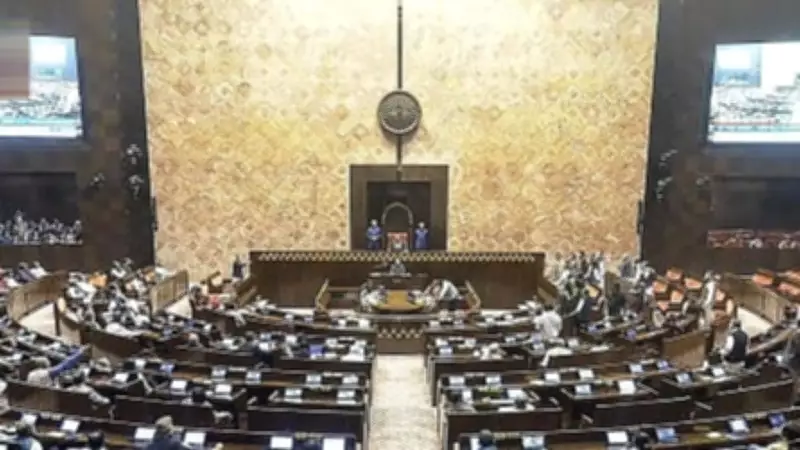
Opposition Forces Rajya Sabha Walkout Over Indo-US Trade Agreement Debate
In a dramatic parliamentary showdown, opposition parties collectively staged a walkout from the Rajya Sabha on Tuesday, demanding an immediate and comprehensive discussion on the recently negotiated Indo-US trade deal. The move created significant disruption during the session, highlighting the deepening political divide over India's international economic engagements.
Parliamentary Proceedings Disrupted Over Trade Concerns
The opposition's coordinated action came after repeated requests for a dedicated debate on the trade agreement were reportedly ignored by the government. Lawmakers from multiple opposition parties rose simultaneously, voicing their protest before exiting the chamber en masse. This parliamentary maneuver effectively brought proceedings to a temporary halt, underscoring the opposition's determination to scrutinize what they view as a critical economic arrangement with far-reaching implications for India's trade policies and domestic industries.
Nadda Condemns Opposition's "Frustration-Driven" Approach
Responding to the walkout, Bharatiya Janata Party President JP Nadda launched a sharp critique of the opposition's tactics. Nadda alleged that the Opposition's frustration was coming out, and it had started seeing bad even in good things. He characterized the walkout as a manifestation of political desperation rather than substantive policy concern, suggesting that opposition parties were opposing initiatives for the sake of opposition rather than engaging in constructive parliamentary debate.

"When constructive engagement fails, theatrical protests become the default position," Nadda remarked during his response to the incident, emphasizing the government's position that the trade agreement represents a positive development for India's economic interests.
Deepening Political Rift Over International Agreements
The confrontation reflects broader tensions between the ruling coalition and opposition blocs regarding India's international trade negotiations. Key concerns raised by opposition parties reportedly include:
- Transparency in negotiation processes
- Potential impact on domestic manufacturing sectors
- Intellectual property provisions affecting pharmaceutical industries
- Agricultural market access implications
This incident marks another chapter in the ongoing parliamentary battles over economic policy, with both sides digging in their positions ahead of what promises to be continued debate over India's trade relationships with major global partners.






