Parliament Impasse Intensifies as Opposition Rallies Behind Rahul Gandhi
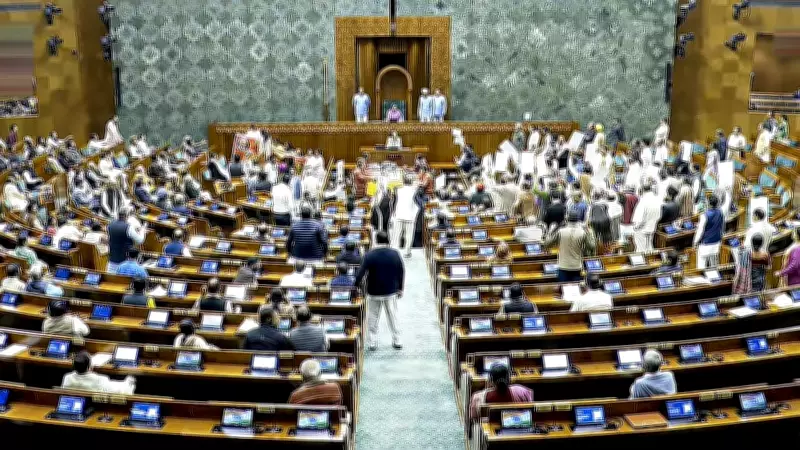
The ongoing parliamentary session has descended into a significant stalemate, with opposition parties demonstrating unprecedented unity following an incident involving Congress leader Rahul Gandhi. The political deadlock was triggered when Gandhi was prevented from delivering a speech concerning the recently published memoir of former Army Chief General M.M. Naravane. This development has injected fresh tension into the legislative proceedings, highlighting the deepening rift between the ruling coalition and the opposition benches.
Opposition Leaders to Convene Crucial Strategy Meeting
In response to this parliamentary obstruction, senior opposition leaders have scheduled a high-level meeting ahead of today's session. The primary objective of this gathering is to meticulously finetune their floor strategy and present a coordinated front. This strategic huddle underscores the opposition's determination to challenge what they perceive as an attempt to stifle democratic discourse within the hallowed halls of Parliament.
The meeting is expected to bring together key figures from various opposition parties to deliberate on tactical approaches, potential motions, and unified responses. The focus will be on ensuring that their collective voice is heard effectively during the debates, particularly on matters of national importance and accountability.

Background and Broader Political Implications
The controversy stems from Rahul Gandhi's intent to discuss aspects of General Naravane's memoir, which has reportedly contained observations and insights about India's military and political landscape during his tenure. The decision to block Gandhi's speech has been interpreted by the opposition as a move to suppress legitimate parliamentary discussion on issues of public interest.
This incident has galvanized opposition ranks, transforming what might have been a routine procedural issue into a symbol of broader democratic concerns. The unity displayed by opposition parties signals a potential shift in parliamentary dynamics, with implications for upcoming legislative business and political negotiations.
As the session progresses, all eyes will be on how this stalemate unfolds and whether it leads to further disruptions or constructive dialogue. The outcome of today's opposition strategy meeting could play a pivotal role in determining the trajectory of parliamentary proceedings in the coming days.