Parliament Chairmen Reject Opposition Motion to Remove Chief Election Commissioner
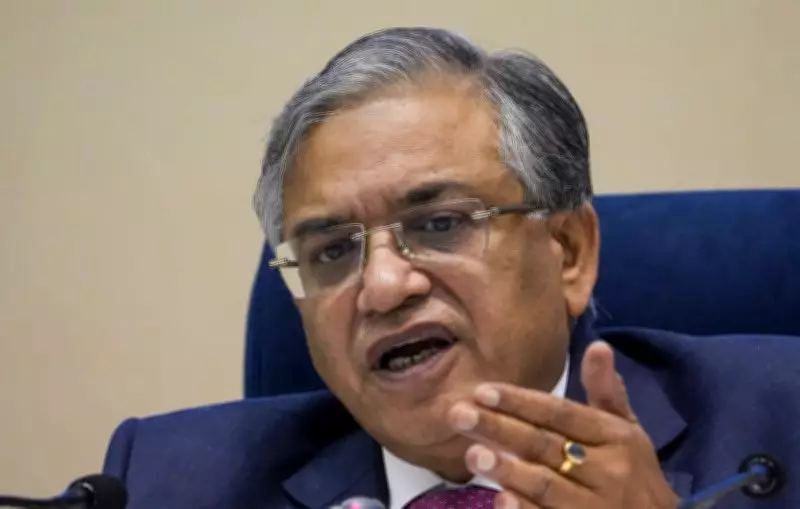
In a significant development in India's parliamentary proceedings, Rajya Sabha Chairman Jagdeep Dhankhar and Lok Sabha Speaker Om Birla have firmly rejected notices submitted by opposition parties seeking a motion for the removal of Chief Election Commissioner (CEC) Gyanesh Kumar. This decision underscores the procedural rigour and constitutional safeguards in place for such high-stakes motions, effectively halting the opposition's attempt to challenge the CEC's appointment and functioning.
Grounds for Rejection: Procedural Lapses and Lack of Merit
The rejection was based on multiple grounds, primarily citing procedural deficiencies in the notices. According to parliamentary sources, the opposition failed to adhere to the established protocols required for initiating a removal motion against a constitutional authority like the CEC. The notices were deemed incomplete and did not meet the stringent criteria set forth in parliamentary rules, which mandate detailed substantiation of charges and adherence to specific timelines.
Furthermore, the chairmen highlighted a lack of substantive merit in the allegations raised by the opposition. The motion, as presented, was found to be based on vague assertions rather than concrete evidence of misconduct or constitutional violations by CEC Gyanesh Kumar. This aligns with the principle that motions for removal must be backed by compelling proof to ensure the stability and independence of key institutions like the Election Commission of India.

Opposition's Stance and Political Implications
The opposition, led by parties such as the Congress and others, had submitted the notices alleging concerns over the appointment process and perceived biases in the Election Commission's decisions under Kumar's leadership. They argued that the motion was necessary to uphold electoral integrity and democratic norms. However, with the rejection, their efforts have been stymied, potentially leading to heightened political tensions in the ongoing parliamentary session.
This episode reflects broader political dynamics, with the opposition leveraging parliamentary tools to scrutinize government appointments, while the ruling side emphasizes procedural correctness. It may influence future debates on electoral reforms and the autonomy of constitutional bodies, as both sides navigate the delicate balance between accountability and institutional respect.
Constitutional Context and Historical Precedents
The removal of a Chief Election Commissioner is governed by constitutional provisions that require a rigorous process, akin to that of a Supreme Court judge, to prevent arbitrary actions. Historically, such motions are rare and face high thresholds for success, ensuring that the Election Commission remains insulated from political pressures. This rejection reinforces that precedent, signaling that motions must clear substantial hurdles to proceed.
In summary, the rejection of the opposition notices by Rajya Sabha Chairman Jagdeep Dhankhar and Lok Sabha Speaker Om Birla marks a pivotal moment in India's parliamentary history. It underscores the importance of procedural adherence in motions against constitutional authorities, while also highlighting the ongoing political scrutiny over key appointments. As the situation unfolds, it will likely fuel discussions on electoral governance and the role of Parliament in safeguarding democratic institutions.