In a striking visual protest against the hazardous air quality gripping the national capital, several Opposition Members of Parliament have started wearing anti-pollution masks within the Parliament complex. The symbolic act, which began during the ongoing Winter Session, aims to highlight the severe public health crisis in Delhi.
A Theatrical Protest Inside Parliament
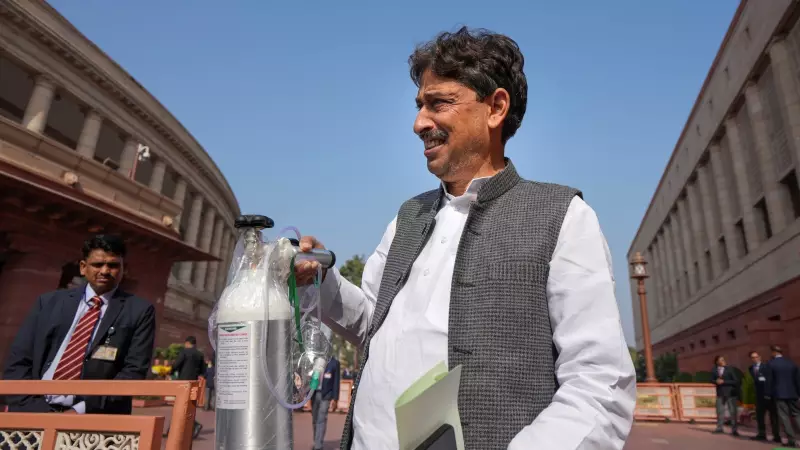
The protest saw a dramatic escalation on Wednesday, December 4, 2025, when Congress MP Imran Masood arrived carrying a personal oxygen cylinder. According to sources, Masood had procured the cylinder ahead of the session specifically for this purpose. His action stood out amidst other mask-wearing parliamentarians, turning heads and drawing significant attention to the issue of the city's unhealthy Air Quality Index (AQI).
Following the day's proceedings, Masood reportedly stored the cylinder in his car. Sources close to the MP indicated that he intends to keep it for personal use "whenever he has difficulty in breathing" due to the polluted air, underscoring the dire everyday reality for Delhi's residents.

Mayawati Shifts Tribute Protocol
In a separate but notable development, Bahujan Samaj Party (BSP) president Mayawati announced a significant change in her public engagements on Wednesday. Weeks after pledging to rejuvenate party activities, she declared she would no longer visit memorials of prominent figures on their birth or death anniversaries.
Her decision, as stated, stems from the logistical and security challenges that prevent her followers from accessing these sites during her visits. Instead, Mayawati will now pay homage at her residence or the party office. This new protocol comes just ahead of the death anniversary of B R Ambedkar on December 6, for which she was originally scheduled to visit the Dalit Prerna Sthal in Noida.
Symbolism and Substance in Political Discourse
The dual developments reflect how environmental and logistical issues are influencing political expression and schedules. The MPs' mask protest transforms the Parliament into a stage for demonstrating the tangible threat of air pollution, a concern affecting millions. Meanwhile, Mayawati's policy shift highlights the balancing act between public visibility and practical accessibility for supporters.
These actions during the Winter Session of Parliament signal a growing urgency to address Delhi's perennial pollution crisis, moving the debate from policy papers to the very corridors of power. Whether these symbolic gestures translate into sustained political pressure for concrete solutions remains the critical question for the capital's beleaguered citizens.