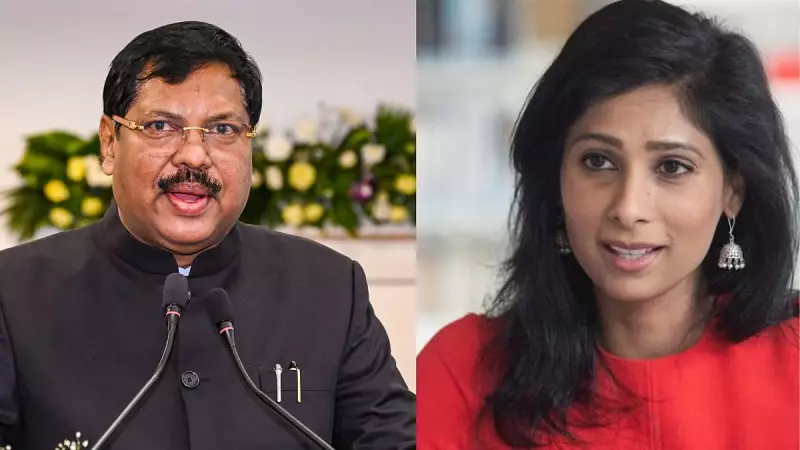
A high-profile parliamentary committee is set to receive crucial expert insights on the proposed 'One Nation One Election' bill, with former Chief Justice of India B.R. Gavai and International Monetary Fund's First Deputy Managing Director Gita Gopinath scheduled to brief the panel. The development marks a significant step in the government's push for electoral reforms aimed at synchronizing the country's various elections.
Key Experts to Present Views
The Parliament panel has invited a distinguished group of individuals to share their comments and analysis on the ambitious legislation. Former CJI B.R. Gavai is expected to provide a legal and constitutional perspective on the proposed reform. Simultaneously, Gita Gopinath of the IMF will likely offer an economic viewpoint, analyzing the potential fiscal implications and efficiencies of holding simultaneous elections across the nation.
In addition to these experts, the panel has also called upon senior lawyer and Member of Parliament Kapil Sibal, along with representatives from the Election Commission of India. Their inputs are considered vital for understanding the practical, administrative, and political challenges involved in implementing such a sweeping change to India's electoral calendar.

Schedule of Briefings
The briefings are scheduled to take place on December 10, 2025. This date was confirmed in the official invitation. The committee aims to gather a comprehensive range of opinions before finalizing its report on the 'One Nation One Election' bill, which seeks to align the timing of Lok Sabha elections with those of state legislative assemblies.
The move to invite such high-caliber national and international experts underscores the complexity and importance of the proposed legislation. The bill has been a topic of intense debate, with proponents arguing it will reduce massive election-related expenditure, minimize policy paralysis, and allow governments to focus on governance rather than perpetual campaigning.
Implications and Next Steps
The testimonies from Justice Gavai, Gita Gopinath, Kapil Sibal, and the Election Commission officials will form a critical part of the parliamentary committee's deliberations. Their analysis will help lawmakers assess the constitutional feasibility, economic impact, and logistical viability of the 'One Nation One Election' model.
Critics of the proposal have raised concerns about its potential impact on India's federal structure, the dilution of regional issues, and the enormous administrative challenge it presents. The Election Commission's presentation will be particularly watched for its assessment of the manpower, security, and electronic voting machine (EVM) management required for a single, nationwide electoral exercise.
The outcome of these briefings could significantly influence the final shape of the bill and its journey through Parliament. As the panel collates these expert views, the nation awaits a clearer picture of whether India will transition to a synchronized electoral cycle, a reform that could reshape the country's democratic process for decades to come.