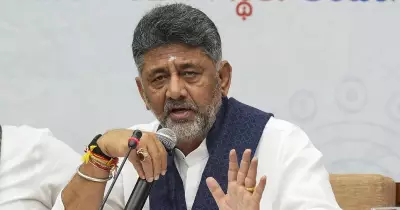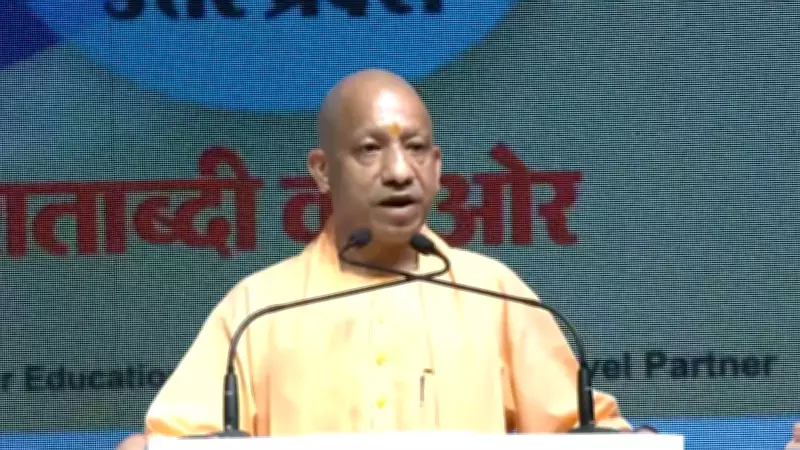
A political controversy has erupted after Uttar Pradesh Chief Minister Yogi Adityanath reportedly made remarks regarding namaz during work shifts, triggering a heated debate over religious expression in professional spaces. The statement has drawn strong reactions from political opponents and social media users, with discussions centering around workplace discipline, individual rights, and religious freedom.
Context of the Remarks
The remarks were made during a public interaction, where the Chief Minister commented on the practice of offering namaz during shift hours. While the exact wording remains unconfirmed, sources suggest that Adityanath emphasized the need for maintaining discipline in workplaces, questioning whether religious obligations should interfere with professional duties. This has led to a sharp divide in public opinion.
Supporters' Defense
Supporters of the Chief Minister have defended the context of his remarks, arguing that he was advocating for a balanced approach to religious practices in professional settings. They claim that the intent was to ensure productivity and harmony in workplaces, rather than targeting any specific community. Several BJP leaders have echoed this sentiment, stating that the remarks were taken out of proportion by the opposition.

Opposition's Criticism
Critics, however, allege that the statement reflects a broader ideological stance on religious practices in public and professional environments. Opposition parties, including the Samajwadi Party and Congress, have accused Adityanath of promoting a majoritarian agenda and infringing upon constitutional rights. Social media platforms have been flooded with hashtags both supporting and condemning the remarks, highlighting the polarizing nature of the issue.
No Official Clarification Yet
As of now, no official clarification has been issued by the Chief Minister's office beyond the reported statement. The lack of a formal response has fueled further speculation, with many awaiting a detailed explanation. Meanwhile, legal experts have weighed in on the matter, noting that while workplaces can establish reasonable rules, any blanket restriction on religious practices could potentially violate Article 25 of the Constitution, which guarantees freedom of conscience and free profession, practice, and propagation of religion.
The controversy underscores the ongoing debate in India about the intersection of faith and professional life, a topic that has gained prominence in recent years. As the discussion continues, all eyes are on the Uttar Pradesh government for its next move.