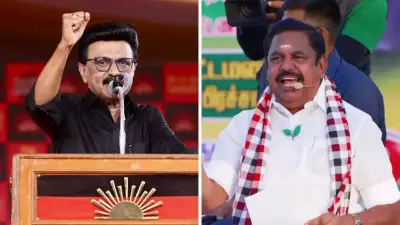
Three Key Women's Reservation Bills Defeated in Lok Sabha by 298-230 Votes
In a significant parliamentary development, three crucial bills focused on women's reservation and delimitation were defeated in the Lok Sabha on April 17, 2026. The bills, which aimed to enhance gender representation in Indian politics, were rejected by a vote of 298-230, marking a notable setback for advocates of women's empowerment and legislative reform.
Details of the Defeated Bills
The three bills that faced defeat were designed to address key aspects of political representation. The first bill sought to implement a women's reservation quota in legislative bodies, aiming to reserve a specific percentage of seats for women candidates in elections. This measure was intended to boost female participation in governance and decision-making processes across the country.
The second bill focused on delimitation, which involves the redrawing of electoral boundaries to ensure fair representation based on population changes. This bill aimed to update constituency maps to reflect demographic shifts, potentially impacting the distribution of political power and resources.

The third bill combined elements of both women's reservation and delimitation, proposing integrated reforms to streamline electoral processes while promoting gender inclusivity. Together, these bills represented a comprehensive effort to modernize India's political landscape and address longstanding disparities in representation.
Vote Outcome and Political Implications
The vote in the Lok Sabha resulted in 298 members opposing the bills, while 230 members supported them. This outcome highlights the deep political divisions and challenges in passing legislation related to gender equality and electoral reform. The defeat is seen as a blow to efforts aimed at increasing women's participation in politics, which remains a critical issue in India's democratic framework.
Proponents of the bills argued that such measures are essential for achieving gender parity and ensuring that women's voices are adequately represented in policy-making. They emphasized that women's reservation could lead to more inclusive governance and address issues specific to women and marginalized communities.
Opponents, however, raised concerns about the practicality and implementation of the bills. Some argued that delimitation changes could disrupt existing political dynamics and lead to disputes over representation. Others questioned the effectiveness of reservation policies, suggesting alternative approaches to promote women's participation without mandatory quotas.
Broader Context and Future Prospects
This defeat comes amid ongoing debates about women's rights and political representation in India. Despite previous efforts and discussions, progress on women's reservation has been slow, with various bills facing hurdles in Parliament over the years. The current outcome underscores the complexities of enacting such reforms in a diverse and politically charged environment.
Looking ahead, advocates for women's reservation may need to reconsider their strategies and build broader consensus to advance similar legislation. The delimitation aspect also remains a contentious issue, as population changes continue to influence electoral dynamics. Future bills on these topics will likely require careful negotiation and bipartisan support to succeed.
In summary, the defeat of these three bills by a vote of 298-230 in the Lok Sabha represents a significant moment in Indian politics. It reflects the ongoing struggles to balance tradition with progressive reforms and highlights the need for continued dialogue and action on gender equality and electoral justice.