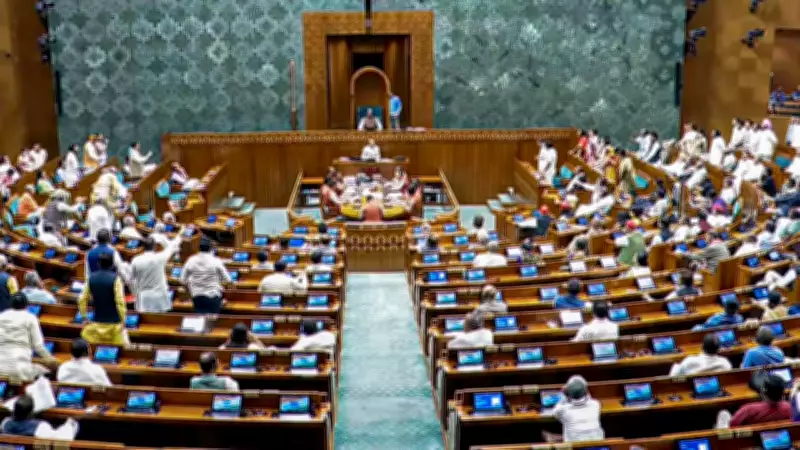
Women's Reservation Bill Defeated in Lok Sabha After Fierce Debate
The historic women's reservation bill, officially known as the Constitution Amendment Bill, was defeated in the Lok Sabha on Friday. The legislation failed to secure the required two-thirds majority after two days of intense parliamentary debate that included heated discussions about both the bill itself and the proposed delimitation exercise.
NDA Falls Short of Required Numbers
The ruling National Democratic Alliance (NDA) could not muster the necessary parliamentary support to push through what had been colloquially termed the "Nari Bill." Despite significant effort, the government coalition fell short of the numbers needed for this constitutional amendment, marking a significant setback for gender representation legislation.
Sharp Exchanges in Parliament
The parliamentary proceedings witnessed sharp exchanges between government and opposition members. Union Home Minister Amit Shah launched a strong attack against opposition parties, labeling them as "anti-women" for their stance against the bill. This characterization added fuel to an already contentious debate about women's political representation in India.

Opposition Leaders Voice Strong Objections
On the opposing side, Leader of Opposition Rahul Gandhi took an equally strong position, calling the bill "anti-national." Several other prominent opposition leaders joined in raising substantial objections, including:
- Akhilesh Yadav, who voiced concerns about the bill's implementation
- Priyanka Gandhi, who raised questions about the legislation's timing and structure
- Multiple other opposition figures who questioned various aspects of the proposed law
Prime Minister's Appeal Goes Unheeded
The parliamentary drama unfolded despite Prime Minister Narendra Modi's direct appeal to legislators just one day earlier. During his address on the issue, the Prime Minister had specifically requested that members not politicize the women's reservation bill, emphasizing its importance for gender equality and democratic representation.
The failure of this landmark legislation represents a significant moment in India's parliamentary history, highlighting the deep political divisions surrounding women's representation in elected bodies. The debate has exposed fundamental disagreements about how best to achieve gender parity in political leadership, with both sides accusing the other of undermining women's interests through their respective positions on the bill.
Political analysts suggest this defeat will likely have far-reaching implications for future gender representation initiatives and could potentially reshape political alliances and strategies in upcoming parliamentary sessions. The intensity of the debate and the ultimate failure to pass the legislation underscore the complex challenges facing gender-based affirmative action in India's political landscape.