Women's Quota and Delimitation Bills: A Parliamentary Hurdle for the NDA
The National Democratic Alliance (NDA) government is confronting a significant parliamentary challenge as it prepares to steer the Women's Reservation Bill and the Delimitation Bill through both houses of Parliament. These landmark proposals, aimed at reshaping India's political landscape, require a delicate balancing act of coalition management and strategic maneuvering to secure passage by the target year of 2026.
The Numerical Equation in Parliament
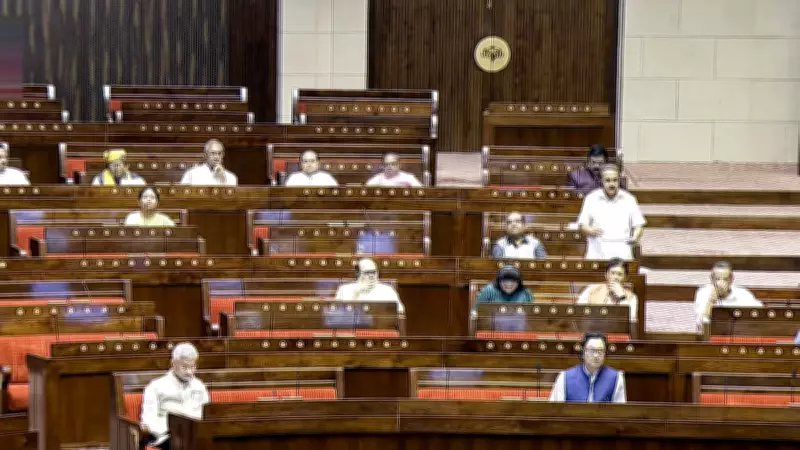
At the heart of this legislative endeavor lies a complex arithmetic of parliamentary numbers. The NDA, while holding a majority, must navigate the intricacies of coalition politics, where support from key allies is not always guaranteed on every issue. The Women's Reservation Bill, which seeks to reserve one-third of seats in the Lok Sabha and state legislative assemblies for women, and the Delimitation Bill, which involves redrawing electoral constituencies based on the latest census data, both demand broad consensus.
Opposition parties have signaled varying degrees of support and skepticism, making the government's task of mustering the required votes a formidable one. The bills' success hinges on the NDA's ability to rally its own members and woo fence-sitters, all while countering potential procedural hurdles and debates that could delay or derail the process.

Coalition Dynamics and Political Strategy
The NDA's coalition partners play a pivotal role in this legislative push. With diverse regional interests and political agendas, these allies may exert influence over the bills' final form and timing. The government is likely engaged in behind-the-scenes negotiations to align these partners, offering concessions or assurances to secure their backing.
Moreover, the opposition's stance is critical. While some parties have historically supported women's reservation, others have raised concerns about implementation and inclusivity. The delimitation process, often contentious due to its impact on political representation, could spark heated debates, requiring the NDA to employ persuasive diplomacy and compromise to build a winning coalition.
Timeline and Implementation Challenges
Aiming for passage by 2026, the NDA faces a tight timeline. The Women's Reservation Bill, if passed, would necessitate constitutional amendments and subsequent state-level actions, adding layers of complexity. The Delimitation Bill's reliance on updated census data introduces another variable, as delays in data collection or disputes over methodology could affect the schedule.
Public and political will are also factors. The government must balance urgency with thorough deliberation to ensure the bills are robust and widely accepted. Failure to pass these proposals could have implications for gender equality in politics and electoral fairness, making this a high-stakes endeavor for the NDA.