

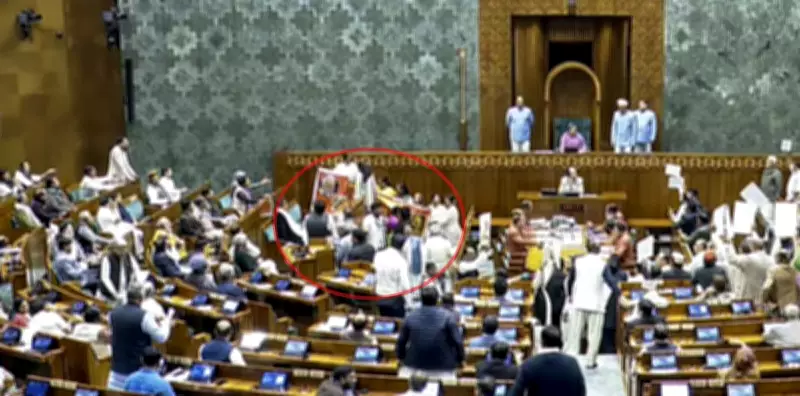
Women MPs' Protest Forces Cancellation of PM Modi's Lok Sabha Address
A scheduled address by Prime Minister Narendra Modi in the Lok Sabha was unexpectedly cancelled today, February 4, 2026, following a dramatic protest by opposition women Members of Parliament. The incident has plunged the parliamentary proceedings into chaos and ignited a fierce political debate over decorum and dissent in India's legislative body.
Seat Encircled by Opposition Women MPs Sparks Standoff
The disruption began when a group of women MPs from various opposition parties strategically surrounded a specific seat in the Lok Sabha chamber. Demonstrating remarkable solidarity, they steadfastly refused to vacate the area or allow normal proceedings to continue. This act of protest effectively blocked the Prime Minister from delivering his anticipated speech, as parliamentary protocols require a clear and orderly environment for such addresses.
The refusal to move created an immediate impasse, with parliamentary officials and security personnel unable to resolve the situation without escalating tensions. The women MPs maintained their position, citing unresolved grievances and demanding attention to critical issues they felt were being overlooked by the government.

Why PM Modi's Lok Sabha Address Was Cancelled
The cancellation of Prime Minister Modi's address was a direct consequence of the unprecedented protest. Parliamentary rules mandate that major speeches, especially by the Prime Minister, require a certain level of order and respect for the chair. With the opposition women MPs creating a visible and unyielding blockade, the Lok Sabha Speaker had little choice but to call off the event to prevent further disorder.
This move highlights the deepening rift between the ruling party and the opposition, particularly on matters of parliamentary conduct and the space for dissent. The protest underscores how symbolic actions in the House can have real, immediate impacts on governance and political discourse.
Political Reactions and Broader Implications
The incident has triggered swift reactions from across the political spectrum. Government allies have condemned the protest as a disrespectful tactic that undermines parliamentary democracy, while opposition leaders have defended it as a legitimate form of protest to highlight pressing concerns.
- The ruling party has accused the opposition of deliberately sabotaging parliamentary work and disrespecting the Prime Minister's office.
- Opposition figures argue that their protest was a necessary step to draw attention to issues they claim are being ignored, such as women's safety, economic policies, or social justice matters.
- Political analysts suggest this event could set a precedent for future parliamentary sessions, potentially leading to more frequent disruptions or revised protocols.
This cancellation marks a significant moment in India's parliamentary history, reflecting the intense polarization and tactical maneuvers that characterize contemporary politics. It raises questions about how dissent is expressed in legislative bodies and the balance between protest and procedure.
Looking Ahead: Potential Resolutions and Ongoing Tensions
As the dust settles, both sides are likely to engage in behind-the-scenes negotiations to restore normalcy in the Lok Sabha. However, the underlying tensions that fueled this protest are expected to persist, influencing upcoming sessions and political strategies.
- Parliamentary authorities may review security and seating arrangements to prevent similar incidents in the future.
- The government and opposition could enter into dialogues to address the grievances raised by the women MPs, though outcomes remain uncertain.
- This event may galvanize further protests or shape election narratives as parties position themselves on issues of parliamentary decorum and democratic expression.
The cancellation of PM Modi's address today is more than a procedural hiccup; it is a vivid illustration of the challenges facing Indian democracy in an era of heightened political competition. The standoff between opposition women MPs and the government will likely echo in political discussions for weeks to come, underscoring the volatile nature of legislative politics in India.






